St. Scholastica Academy at Monte Cassino
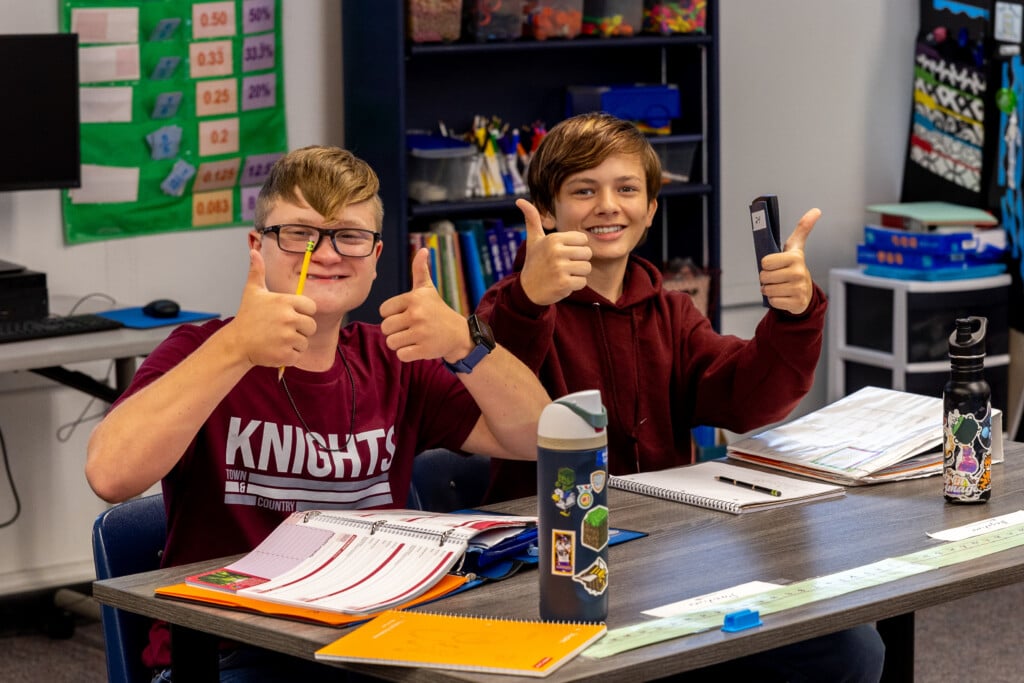
Monte Cassino’s new St. Scholastica Academy will provide specialized instruction for students with dyslexia.
Nearly 30 years ago, Caitriona Harris was a graduate student at the University of Tulsa when a co-worker told her about her daughter, who had dyslexia. At a time when specialized help was difficult to find, the family had found phonics support at Monte Cassino School.
“I remember visiting with Kathy and just thinking, ‘Oh, my goodness, that’s so cool. I didn’t know Monte did that,’” Harris says.
Years later, Harris joined Monte Cassino and helped develop the school’s REACH program, which provides intervention and accommodations for students who need additional academic support. Now the school is taking another step.
In fall 2027, Monte Cassino will open St. Scholastica Academy, a new division designed for students with dyslexia and other language-based learning differences. It will begin with 20 second- and third-grade students and eventually expand through fifth grade.

Caitriona Harris
For Harris, a licensed speech-language pathologist who will serve as head of St. Scholastica Academy and REACH, the new division feels both innovative and long overdue.
“It’s crazy that it’s innovative because it’s so overdue,” she says. “It feels innovative. It feels like new, but at the same time, where has it been?”
Meeting a Need
Dyslexia and other language-based learning differences don’t reflect a child’s intelligence. Students may be fully capable of understanding grade-level concepts while struggling significantly with reading, spelling, writing or processing language, and in a traditional classroom, that disconnect can take a toll.
“Students with dyslexia are often incredibly capable and intelligent, but the way they learn may not always align with traditional instruction,” says Lucy Lennox, Monte Cassino Lower School counselor. “When a student has to work significantly harder than their peers to read, write, or demonstrate what they know, it can be exhausting and frustrating.”

Lucy Lennox
“That can affect confidence, motivation, and willingness to take risks academically,” she says. “As a school counselor, I see how important it is to address not only the academic need but also the emotional impact of repeatedly experiencing difficulty.”
The idea for St. Scholastica Academy grew from conversations with parents, teachers and Monte Cassino’s admissions team. Harris says the school hears from families looking for a different educational environment and from teachers who see students who could benefit from more intensive instruction.
Monte Cassino already provides intervention through REACH, and that program will continue. But the academy will offer a different level of support through a school day specifically structured around the needs of students with language-based learning differences.
“We wanted something simple and straightforward to really capitalize on their progress,” Harris says.
What Will the School Day Look Like?
St. Scholastica Academy will be housed in Monte Cassino’s Lower School when it opens. Although students will be part of a separate academic division, they will remain part of the larger Monte Cassino community, joining other students for activities including art, music, physical education, weekly Mass, field days, performances and other school traditions.
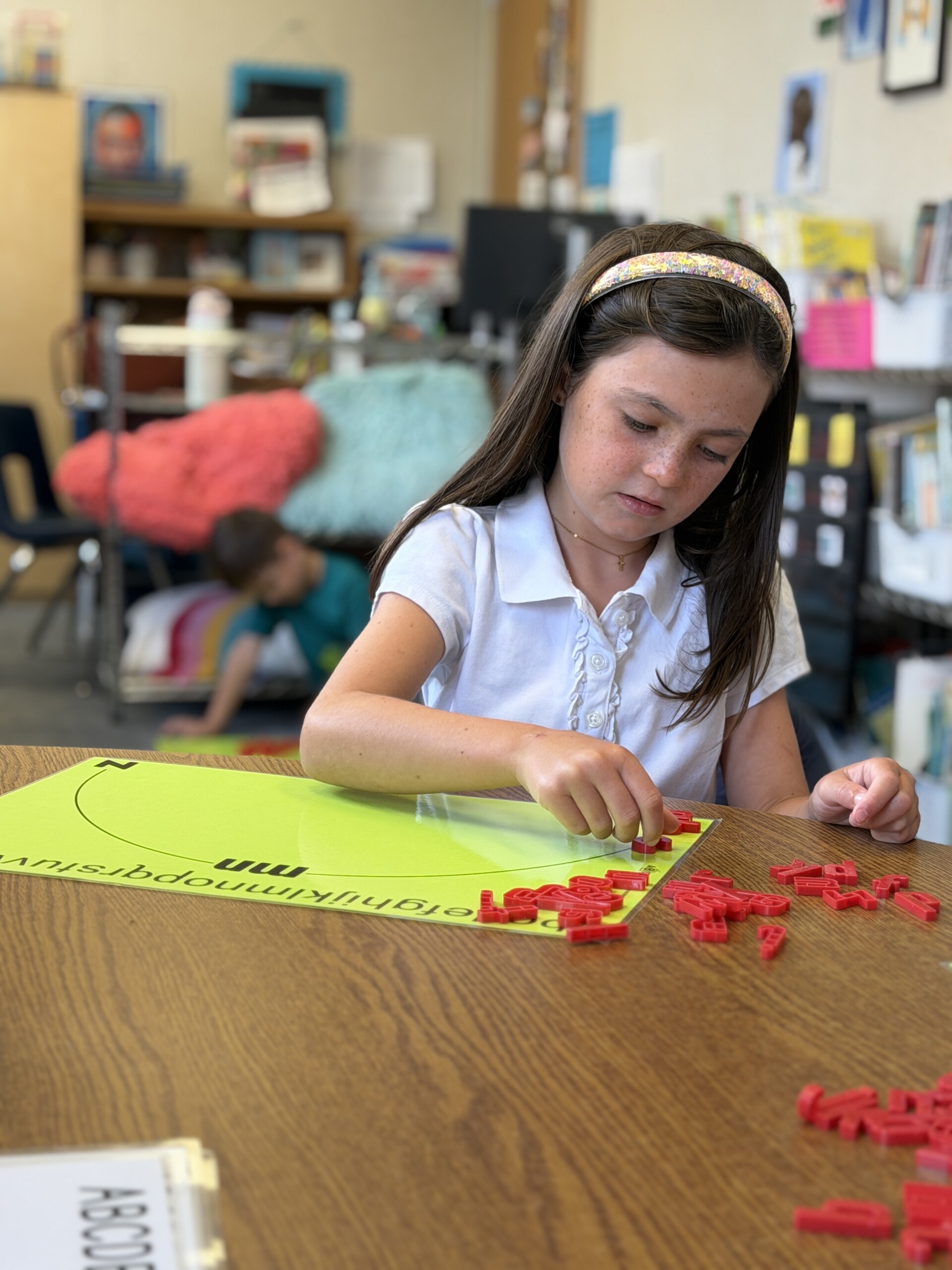
Students will receive approximately 4.5 hours of intensive language and literacy instruction each day. The curriculum will include Orton-Gillingham instruction, oral and independent reading, written language, mathematics, religion and humanities, integrated STEM experiences, arts and physical education. Foreign language instruction will be delayed so that time can instead be devoted to developing English language and literacy skills.
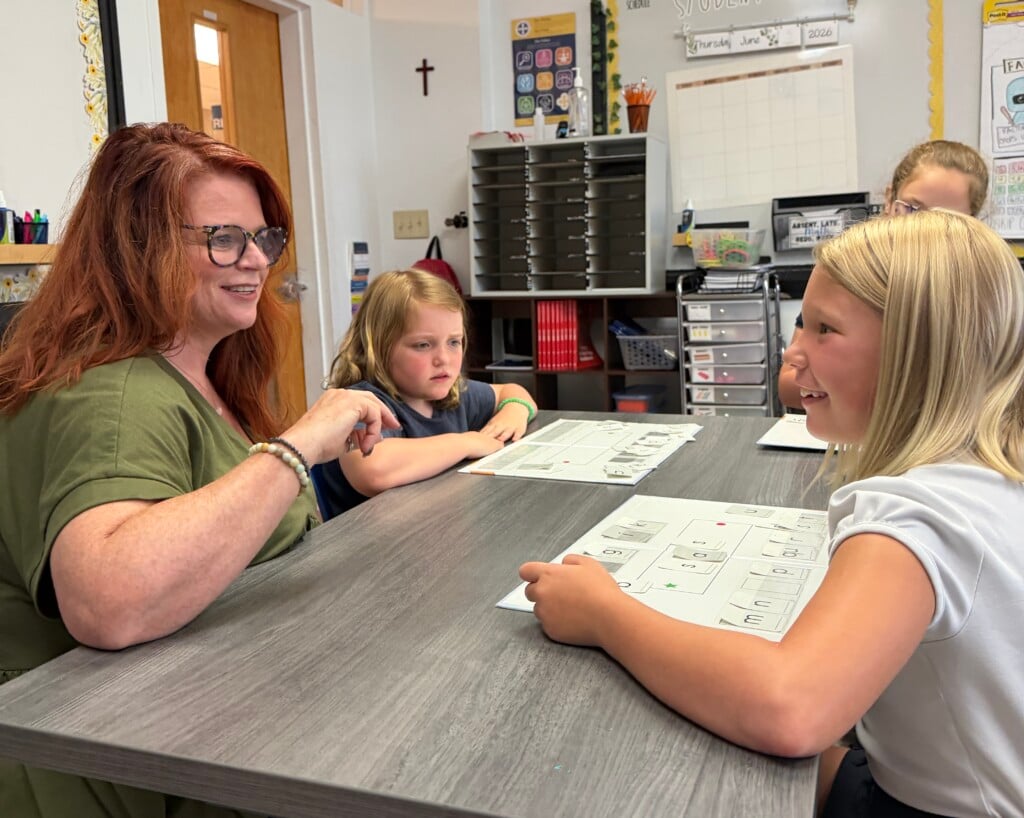
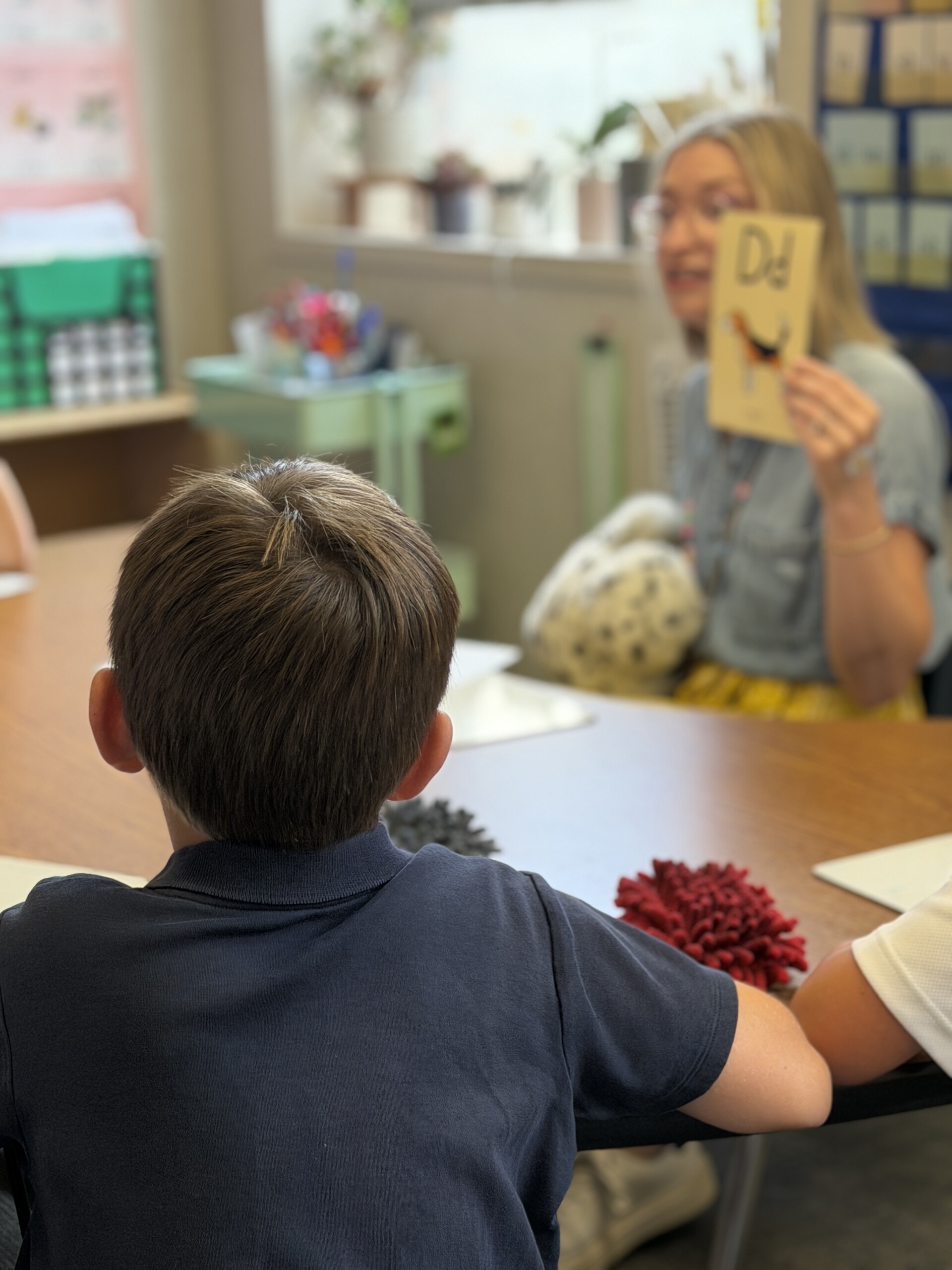
Classes will also be intentionally small. Each classroom of approximately 10 students will have a lead teacher and instructional assistant, creating a 5-to-1 student-to-educator ratio.
That ratio is important, Harris says, because children with dyslexia may also have challenges with working memory or processing speed. Instead of completing an assignment, getting it back days later and then correcting mistakes, students benefit from feedback while they’re actually doing the work.
“You need to have that ratio so that you’re giving feedback in real time,” Harris says. “These kiddos really need to practice correctly over and over and over and over again. And so that ratio makes sure that that feedback loop is immediate.”
For Lennox, the small classes and specialized instruction are important, but so is something less tangible: being in a classroom with children who understand what it feels like to learn differently.
“Students begin to understand that they are not ‘the only one’ who need a different approach,” she says. “Instead, they are part of a community where differences in learning are understood and supported.”

Building Confidence
How long an individual student remains in the academy will depend on his or her progress and needs.
A student with milder dyslexia, for example, may attend the academy for second and third grade and then be ready to transition into a traditional Monte Cassino classroom. Other students may benefit from remaining in the academy through fifth grade.
“The goal isn’t simply to help students catch up,” Lennox says. “It is to help them develop the skills, strategies, confidence and self-advocacy they need to become successful learners.”
For parents, a diagnosis can bring its own emotions.
Lennox understands that from two perspectives—as a school counselor and as a parent of children with language-based learning differences.
“Take a breath. Your child’s diagnosis does not define their potential,” she tells parents. “As a parent of children with language-based learning differences, I understand how emotional it can be to hear that your child needs additional support. It can bring a lot of questions and uncertainty about what the future will look like.”
“A learning difference doesn’t change who your child is, how capable they are or what they can become,” Lennox says. “It simply gives us important information about how they learn best.”
Finding the Right Fit
St. Scholastica Academy is being designed specifically for students whose primary academic challenge is related to reading, language, auditory processing, written language or another language-based learning need, particularly dyslexia. Students should have the intellectual ability to engage with grade-level concepts and be able to participate successfully in a structured classroom environment.
Admissions will include a family meeting, review of student records and evaluations, a campus visit and academic assessments. The process is intended to determine whether the academy’s intensive instructional model is the right fit for each child.
Harris has seen how personal the subject can be for families. Dyslexia often runs in families, and she has talked with parents who remember their own struggles in school—guessing at words, masking what they didn’t understand or being mistaken for a student who wasn’t trying.
Today, those same adults may be successful physicians, attorneys or business owners. They know firsthand that difficulty reading had nothing to do with their intelligence, and they want something different for their children.
“As a school counselor, I know how closely academic and emotional well-being are connected. As a parent, I know how meaningful it is to find people who truly understand your child. SSA has the opportunity to provide both: the specialized academic support students need and the environment where they can feel known, capable and successful.”
Without a strong foundation in literacy, Harris says, children can struggle not only academically but with their ability to access and understand the world around them.
“When you’re a parent and you think, ‘Oh, my goodness, is my kiddo not going to read?’” Harris says. “It’s so scary.”
Now, nearly three decades after Harris first heard about a mother who found help for her daughter with dyslexia at Monte Cassino, the school is preparing to make that support a much bigger part of its mission.
“We want to be that place for kids who need this kind of support,” Harris says. “So we’re going for it.”
St. Scholastica Academy at a Glance
Opening: Fall 2027 at Monte Cassino School’s Lower School
Who: Students with dyslexia and other language-based learning differences whose needs fit the academy’s instructional model
Grades: Second and third grades initially, expanding through fifth grade
Enrollment: Approximately 10 students per class, with a 5-to-1 student-to-educator ratio
Learn more: Informational Meeting at 5:30 p.m. October 27 in the Monte Cassino Lower School Library.
Visit Monte Cassino’s St. Scholastica Academy page for admissions and program information, or call Monte Cassino Admissions at 918.746.4238.
 Natalie Mikles is a mom of three and editor of TulsaKids Magazine.