A Postpartum Wake-Up Call
A new mom's experience with postpartum hypertension highlights the importance of specialized heart care after pregnancy.
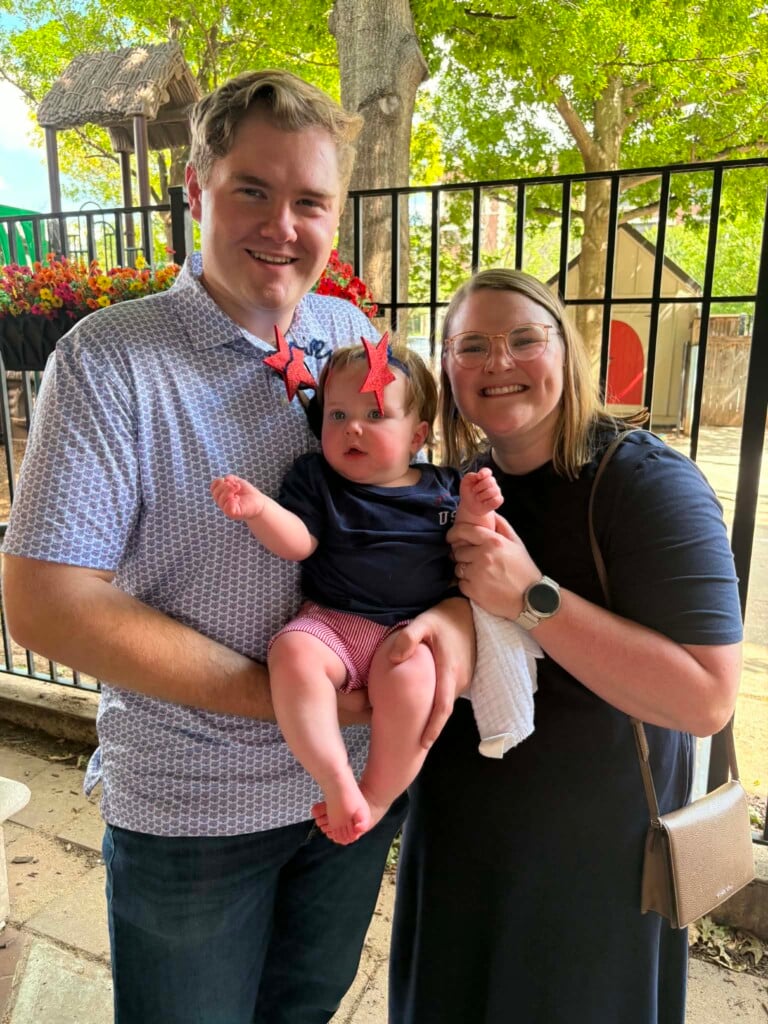
“I thought I was dying,” said Maggie Sharum, describing her return to Ascension St. John Medical Center’s OB Emergency Room last December, one week after delivering a healthy baby boy.
Sharum was quickly admitted to the hospital with dangerously escalating blood pressure. For the exhausted new mom, the unexpected turn of events was frightening and difficult to comprehend. Other than some swelling in the final months, Sharum describes her pregnancy as “flawless,” with normal lab work and blood pressure throughout her prenatal visits. Although her labor had been long and her blood pressure slightly elevated during delivery, by all measures, mom and son were perfectly healthy prior to discharge.
Welcoming a new baby is a joyous event. Thanks to modern medicine, in most cases, it’s also a safe and predictable process. However, it’s not without risk. Although most pregnancies progress without serious complications, in a small percentage of cases, unexpected conditions can threaten the life of the newborn or the mother.
Local resources for maternal hypertension support
Fortunately, Sharum’s story has a happy ending. Her hospital stay helped bring her blood pressure under control, and she and her baby were able to enjoy the remainder of her maternity leave at home. She’s grateful for the care she received at Ascension St. John during such a critical time.
In addition to its OB Emergency Room, which provides 24/7 obstetric emergency care from advanced practice providers and specialized registered nurses, Ascension St. John recently launched the Ascension St. John Maternal Hypertension Clinic. The clinic is led by cardiologist Dr. Addison E. McGinn, who specializes in cardio-obstetrics and the cardiovascular care of women before, during and after pregnancy.

Dr. Addison E. McGinn
Maternal health and cardiovascular disease
About 30% of McGinn’s patients are pregnant women, and that number is growing. McGinn said one of the leading causes of maternal morbidity and mortality is cardiovascular disease.
“As women are having babies later, we have a growing population of women who have either preexisting cardiac disease, so they knew coming into pregnancy that they had a prior cardiac diagnosis; or they get pregnant, and then all of a sudden, with the increased demands of carrying a child, they find out that they have a cardiac condition that they were unaware of,” she said. “The last category is the hypertensive disorders of pregnancy, which is probably what I see most of.”
Hypertensive disorders include conditions such as gestational hypertension and preeclampsia.
McGinn became part of Sharum’s medical team, helping her navigate the high blood pressure she experienced after delivery. Along with the tests, scans and care she received from McGinn, Sharum found the cardiologist’s presence reassuring.
“She was so calm,” Sharum said. “She said, ‘You are a healthy person, and you are OK.’ She explained that this was my body’s reaction to having the baby.”
Maintaining healthy habits post-delivery
McGinn continued to follow up with Sharum, answering her questions and encouraging her to maintain the healthy habits, including regular exercise, that she had before her pregnancy. She also told Sharum it was important to continue monitoring her heart health, not only in connection with possible future pregnancies, but also as she grows older.
“Moms with preeclampsia or gestational hypertension are at increased risk of future cardiovascular events as they age, unrelated to the pregnancy,” McGinn explained. “If you had preeclampsia when you were pregnant, your risk of heart disease at age 50 or 60 is much higher than someone who did not.”
Six months postpartum, Sharum is thankful for the care she received and grateful to be on the other side of the experience with her health restored and a beautiful baby boy.
“I feel like my old self again,” she said.
For more information about the Ascension St. John Maternal Hypertension Clinic, the OB Emergency Room and cardiology services, visit healthcare.ascension.org/st-john.
Oklahoma’s Maternal Health Challenge
Oklahoma has one of the highest maternal mortality rates in the United States, with Black and Indigenous women facing significantly higher mortality risks than white women. High levels of poverty, limited access to care in rural areas, lack of insurance and high rates of preexisting chronic conditions, including obesity and hypertension, along with substance use and mental health issues, all contribute to the problem.
The leading causes of maternal death include cardiovascular conditions, infection and hemorrhage. Approximately 70% of pregnancy-related deaths in Oklahoma are considered preventable.
Who Is at Risk?
Hypertensive disorders of pregnancy are a major cause of maternal and fetal complications, affecting 5% to 16% of pregnancies. They include gestational hypertension and preeclampsia.
Common risk factors include:
- Obesity
- Family history
- Preexisting medical conditions, including:
- Chronic hypertension
- Diabetes
- Kidney disease
- Autoimmune diseases
- Maternal age younger than 20 or older than 40