What I Wish I Knew Before Bringing Home Baby No. 2
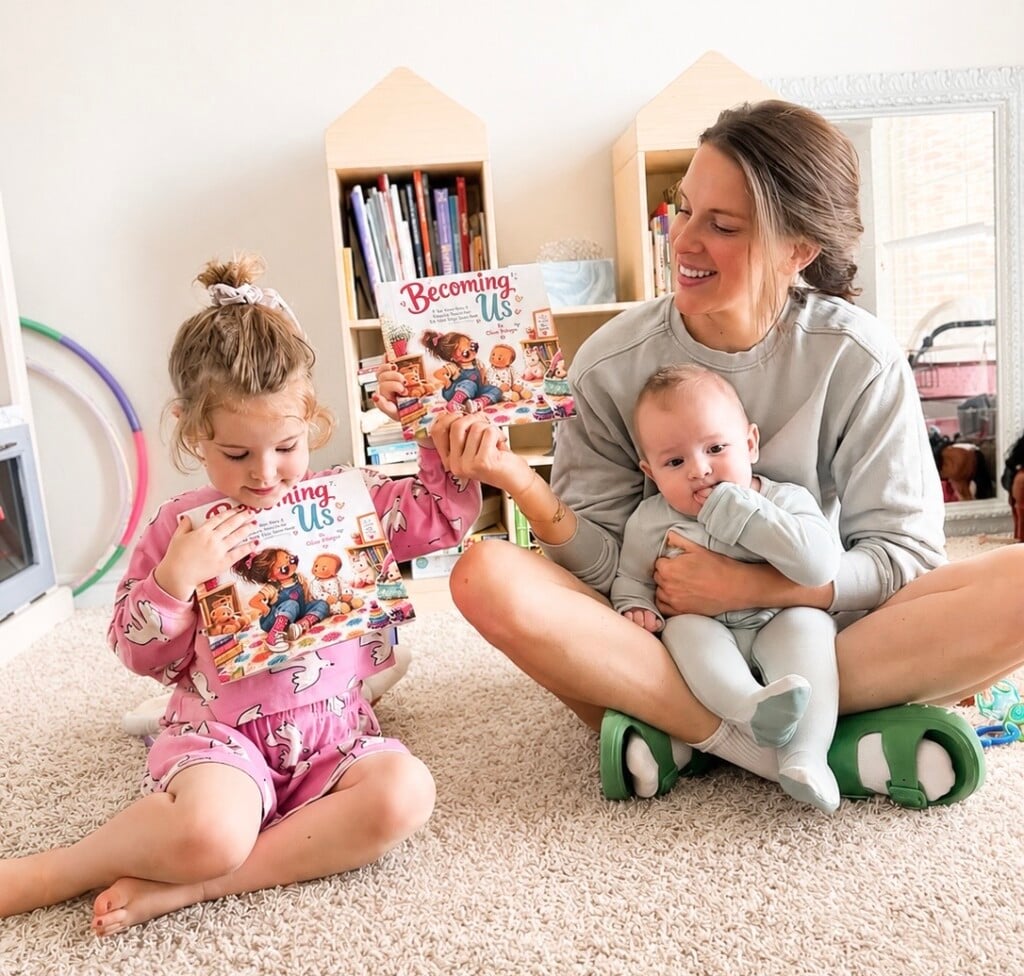
One thing that surprised me after bringing home my son, Callan, last year was how many of my daughter Wren’s worries had nothing to do with the baby himself.
They had to do with where she fit in our growing family.
One night shortly after Cal was born, Wren looked at me and said, “Why does baby Cal get to sleep in your room? I don’t want to be in my room all by myself anymore.”
She was 3 years old and honestly, she had a point.
To us, the bassinet in our room was a newborn necessity. To a toddler, it looked like a sleepover she wasn’t invited to.
So we came up with a plan.
I told her that every time I thought about or checked on her during the night, I would leave a stuffed animal outside her bedroom door. When she woke up in the morning, she’d have proof that I had been thinking about her all night long.
The truth is, I was already awake most of the night with a newborn anyway, so this felt manageable.
Between feedings, I found myself thinking about both of my children, caring for one while worrying about the other. We were in the thick of tantrums, tears and all the big feelings that can come with becoming a big sibling.
So every time I got up with the baby, I left another stuffed animal outside Wren’s door.
By morning, the hallway was covered.
When she opened her door, she froze.
Then her face softened.
“Thank you, Mommy,” she said with so much relief in her voice that it caught me off guard.
In that moment, I realized she hadn’t been asking about sleeping arrangements at all.
She just needed to know I was still thinking about her, too.
More Than a New Baby
That experience taught me something important: Toddlers are often asking a deeper question than the one they’re saying out loud and experiencing more complex emotions than adults give them credit for.
Helping a child adjust to a new sibling isn’t about fixing a problem. It’s about finding small ways to remind them that even as the family grows, they still belong.
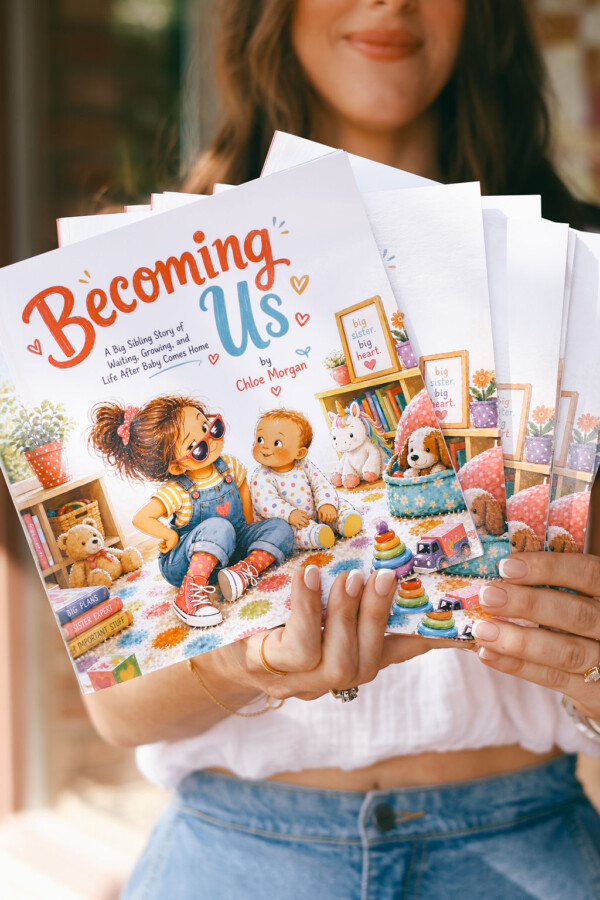
Looking back, moments like this are what inspired me to write Becoming Us, a children’s book for toddlers experiencing the many emotions that can come with a growing family.
I couldn’t find many resources that acknowledged the full reality of becoming a big sibling. Most books focused on the excitement and responsibility, leaving little room for the disappointment, waiting and uncertainty that can exist alongside love.
Helping Siblings Feel They Belong
The truth is, most parents spend months preparing for the baby. We wash tiny clothes, research sleep schedules, stock the nursery and wonder how we’ll survive those first sleepless weeks.
Meanwhile, our toddlers are up against something entirely different.
For the first time in their lives, they must learn to share their parents.
One day they’re the center of your world. The next, they’re waiting while you feed the baby, hearing “just a minute” more often than they’re used to and trying to make sense of a family that suddenly feels different.
It’s a major adjustment for a very small person.
And while we can’t remove every hard feeling that comes with that transition, we can help our children feel understood as they navigate it.
Watching Wren adjust reminded me that toddlers don’t need us to fix every feeling. They need help making sense of what they’re carrying in their small but mighty hearts.
In the months after bringing Callan home, I learned that the moments that mattered most were rarely the elaborate ones. They were the small, intentional reminders that my daughter was still seen, still important and still deeply loved.
Because beneath so many toddler tears and tantrums is a simple question: Do I still belong here?
And every time we pause to include them, notice them or make space for what they’re feeling, we’re answering that question—not with a perfect script, but with our presence.
That’s what I wish I had known before bringing home baby number two. Not that I needed better strategies, more preparation or the perfect transition plan. What mattered most was remembering that the child who made me a mom for the first time was navigating a transition of her own.
While our family was growing, she needed reassurance that her place in it wasn’t changing. Because toddlers may be small, but their feelings are not. When we make space for those feelings, we give them something they’ll carry long after the newborn stage is over: the confidence of knowing there is enough love in the family for everyone—and that they will always belong.
5 Simple Ways to Say “You Still Belong Here”
-
Try offering understanding
“You wish things could be the way they were before.”
“It’s hard when babies need so much help.”
Children calm down faster when they feel understood.
-
Speak in a language toddlers understand
Toddlers often need love translated into something they can see and touch.
Draw matching hearts on your hands. Create a secret hand squeeze that means “I see you.” Leave a heart-shaped piece of toast on their breakfast plate.
Small gestures can carry big meaning.
-
Give them a job, not responsibility
Toddlers love feeling included, but they don’t need pressure.
Invite them to help in simple ways, like choosing the baby’s pajamas, picking a bedtime book or finding a burp cloth. Small jobs help them feel important and connected to their new role.
-
Protect the little moments
Connection doesn’t have to be elaborate.
Do a puzzle together while the baby naps. Walk to the mailbox. Turn everyday routines into opportunities for connection.
Five minutes of focused connection can mean more to a child than an hour of distracted attention.
-
Teach them that two things can be true
One of the greatest gifts we can give our children is permission to hold conflicting feelings.
“You can love your baby brother and feel frustrated.”
Children don’t need to choose between feelings. They need permission to experience them.
Chloe Morgan is a mom of two and the author of Becoming Us. A former marketing professional turned stay-at-home mom, she lives in Oklahoma City with her husband, Jack, and their children, Wren and Callan.