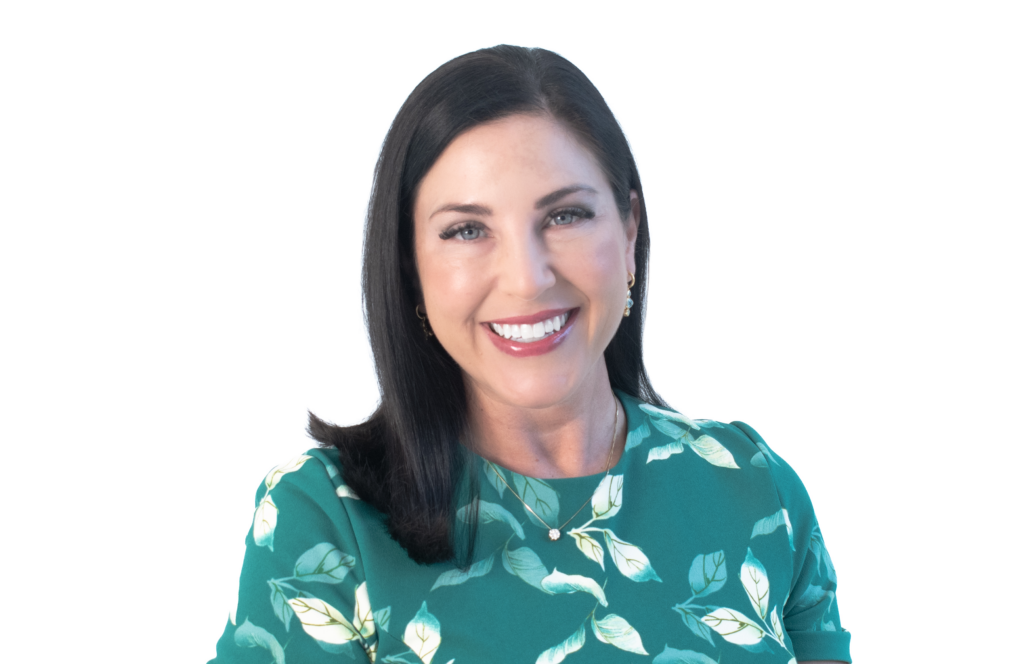
Impactful Women of the 918: Sara Levitt
Director of Jewish Life and Learning, B’nai Emunah Synagogue


As Director of Jewish Life and Learning, Sara Levitt works with people of all ages, from children as young as 2 in B’nai Emunah Synagogue’s Sunday School (ShulSchool) and Hebrew learning programs, to teens in the B’nai Mitzvah program, to adult volunteers and other community members.
“Underneath everything I do is a hope that the children and adults I work with will go out and the make the world a better place,” says Levitt. “Our tradition is clear that it’s our job to care for the earth and everyone and everything on it. I think everyone, no matter their religious tradition, can learn something from that.”
Levitt says that relationships are at the heart of her work, and that it is an honor to be in relationship with people in both their best and hardest moments. “Through that, I’ve learned that just one bad experience of feeling unwelcomed is really hard to come back from,” she says. “Even if it was years ago and it was not intentional, that feeling takes years to get over for some folks. I try to make sure everyone in our community feels welcomed, from our youngest friends and their parents and beyond.”
As a working mom of three, Levitt is grateful for a supportive husband and community — but isn’t overly concerned about achieving a perfect work-life balance. “If we think we can balance it all, we’re fooling ourselves and setting ourselves up to fail,” she says. “Some days, or even hours, I’m in full momma mode, and other times, work takes the front seat. I try my best to make room for it all!”
Q&Q with Sara Levitt
Please give us a little background on what you do at B’nai Emunah Synagogue.
I came on in June of 2016 – so just about 10 years ago. In our organization we all wear many, many hats. Under the umbrella of my work is supporting our Pre-School Leadership team as well as our After School program. I run our Sunday School program (we call it ShulSchool) and Hebrew learning for kids as young as 2 years old through high school, setting learning objectives, training and supporting staff and working with families. I work with our teens and B’nai Mitzvah students, overseeing their preparations and the folks who support them.
Additionally, I work with our Bikkur Cholim volunteer group to get food to folks in our community who have been sick, lost a loved one or just had a baby, and everything in between. It’s kind of a TLC committee of sorts, and we show our care through feeding people.
Also in my role, I do some adult education including planning and executing our annual Women’s Wellness Retreat. Threaded throughout this, I support ritual moments throughout the year through song and prayer leading.
What did you do prior to working at B’nai Emunah Synagogue?
Before this job, I worked for the Jewish Community Center in Denver, Colorado, where I also got my master’s in social work. Throughout my young adult life, I worked at Jewish overnight camps. There is nothing more powerful that creating intentional community with hundreds of other Jewish young people. I was lucky enough to get in pretty early at Camp Ramah in the Rockies, where my husband worked for 10 years. Having a role in shaping a community like that helped solidify what I had already known for many years: Working in the Jewish community was my calling.
If you’d like to share a little about your personal life, please do.
I live in Tulsa with my husband and three kiddos who inspire me every day to continue to make our community stronger, more vibrant and meaningful. I grew up in Orlando, Florida, in a family where Jewish religion, culture, food and practice was central. I was lucky enough to have a rich Jewish upbringing that laid the groundwork for who I am today.
My husband works for a national Jewish organization that supports Jewish Summer Camps around North America, and we met in college at Hillel (Jewish student center). To say Jewish communal life is important to us is an understatement. We’ve been passionate about Jewish communal life since we met and I feel so grateful to have a partner who cheers me on in everything I do.
You were nominated because others felt you have an impact on the community in some way. How do you feel that your position impacts the community? Why is that important to you?
Underneath everything I do is a hope that the children and adults I work with will go out and the make the world a better place. From our youngest preschoolers and their parents to our teens and young adults, I see Jewish values, ideals and storytelling as the lens through which we understand the world around us. Our tradition is clear that it’s our job to care for the earth and everyone and everything on it. I think everyone, no matter their religious tradition, can learn something from that.
In your Impactful Women nomination, someone wrote that the programs you oversee “welcome people of every age and background” and that your “work not only strengthens the Jewish community, but creates a more compassionate and connected Tulsa.” Can you talk a little bit more about the value of being welcoming and inclusive?
This is an important one to me for many reasons. Relationships are at the core of the work that my colleagues and I do every day at the Synagogue. I am honored to be in relationship with people in the best moments in their life and some of the hardest. Through that, I’ve learned that just one bad experience of feeling unwelcomed is really hard to come back from. Even if it was years ago and it was not intentional, that feeling takes years to get over for some folks. I try to make sure everyone in our community feels welcomed, from our youngest friends and their parents and beyond. I know that a smile or asking someone how their family is doing goes a long way.
Being welcoming and inclusive is part of what it means to be Jewish. As a people, we know what it’s like to feel other or outsider. We’re obligated in fact, to care for the stranger because we too were strangers in a strange place. I want to show folks through my actions that I value them and that they have a place in our community.
What other activities, volunteer work, etc. do you do, and why is that important to you?
I’m involved in some larger national Jewish organizations that are connected to the work I do. For example, we’re a part of a new network of folks to Jewish After School. I’ve taken on a leadership role in organizing the communities in the central region that do this work. It’s been great to learn how other communities operate. I love going to shows (I’m a big music gal) and watching movies when I can. I love a date night with my husband and catching my oldest son’s baseball games.
But at the end of it, I’m a busy working Mom! I’m lucky to have a supportive partner, schools, afterschool programs and other loving people in my family’s life that help me attempt to balance it all. I heard someone say once that we need to throw out the idea that we can have work life balance. If we think we can balance it all we’re fooling ourselves and we’re setting ourselves up to fail. I feel great pressure to do it all, mostly from myself, but it’s an impossible task. Some days, or even hours, I’m in full momma mode and other times, work takes the front seat. I try my best to make room for it all!
What strengths do you see in Tulsa, and what area(s) do you think need to be improved?
I love Tulsa. It feels you can really be a big fish in a small pond here. I love that things are affordable and accessible for the most part. Tulsa’s got the feel of a big city but the heart of a small town, and I love that about it. The excitement around growth and the community’s efforts to lift up good ideas and help make them happen is something I think is special to this place.
Of course, there is plenty of work to be done. I am proud public-school parent, and I know that our teachers and administrators are doing their best with what they’ve got. We have got to make sure that our policies in our city and state give teachers and school leaders the resources they need to teach our kids. Hunger, affordable housing, food deserts, supporting refugees and immigrants, accessible and affordable health care — these are all issues that I know we can do better on. My tradition tells me that it’s our obligation to help those in need and that we should love our neighbors as ourselves. We can do better!
What are some ways you would encourage others to make an impact on the city?
We teach our children at the Synagogue, in all departments, that social justice and caring for our neighbor is part of what it means to be a part of the human family. From the first time a child and family enters through our doors, we’re clear about what we value and who we are.
We teach children to be kind and caring, to show respect for their friends and themselves. This has an impact on their families and that has ripple affects on our larger Jewish community and Tulsa community alike.
Do you have a favorite place to go in Tulsa?
I’m always impressed with the number of high-quality coffee shops we have in Tulsa. We’re so lucky! I love them all. I love the date night places my husband and I get to when we can, like Oren or Farm Bar, and I love a visit out to White River Fish Market.