Finding Your Path After High School
Local counselors share how students can start exploring what comes next.
The journey between high school and adulthood can be fraught with forks in the road and decisions that seem impossible to make, but college counselors at area high schools say the way can be navigated successfully by students who start preparing early, keep an open, curious mind and seek guidance from trusted mentors.
Ashlee Lowry, the director of college counseling for Holland Hall, said it’s really never too early for a high school student to begin thinking about what life post-high school looks like, whether that’s college, vocational school and the workforce, or the military.
“Planning for life after high school can feel overwhelming, so it’s wise to begin exploring options in ninth or 10th grade,” she said. “Students don’t need to have everything figured out, but they should start learning about the possibilities available to them.”
Lowry said students should begin having conversations with their school counselors about their interests and options earlier rather than later.
“Those discussions can lead to intentional course planning, exploring career interests through summer programs or job shadowing, and connecting with college admission counselors, military recruiters or technical school representatives,” she said. “The earlier students begin exploring, the more informed their decisions will be later.”
Sarah Wright, the college and career counselor at Charles Page High School in Sand Springs, said one great tool for helping students narrow their focus is the ICAP, or Individual Career Academic Plan, which is required of all public high school students in Oklahoma.
Beginning in the ninth grade, students map out their personal, college and career goals and then update the plan every year with the help of school counselors using several online tools.
It’s OK to Be Undecided
Wright said college-bound students don’t need to be in too big of a hurry to settle on an exact college major.
“It’s good to have a general idea of what they might want to do when they start filling out applications” in the summer preceding their senior year, she said, “but we all know that when they get to college, they’re going to change their major a number of times.”
Lowry said discovering a career path can take time.
“As careers continue to evolve, especially with the influence of artificial intelligence, college majors are evolving, as well,” she said. “We’re living in an interesting time where flexibility is becoming increasingly valuable.
“It’s perfectly acceptable to enter college as an undecided student. I encourage students to use their high school years to explore academic and career interests through electives, job shadowing, internships or summer programs. Finding out what doesn’t interest you can be just as valuable as discovering what does.”

Holland Hall students discuss college options. Photo courtesy Holland Hall
College Isn’t the Only Path
For many students, college might not be the answer at all, Lowry and Wright say.
Whether to attend college, pursue a vo-tech path or do something else is really an individual choice, Wright said.
“Typically, if your parents are college-educated, you’re going to be college-educated, as well,” she said. “In the past, the cost of college may have been the determining factor. But these days, there are so many ways” to fund college.
“I always tell students, ‘Where there’s a will, there’s a way.’”
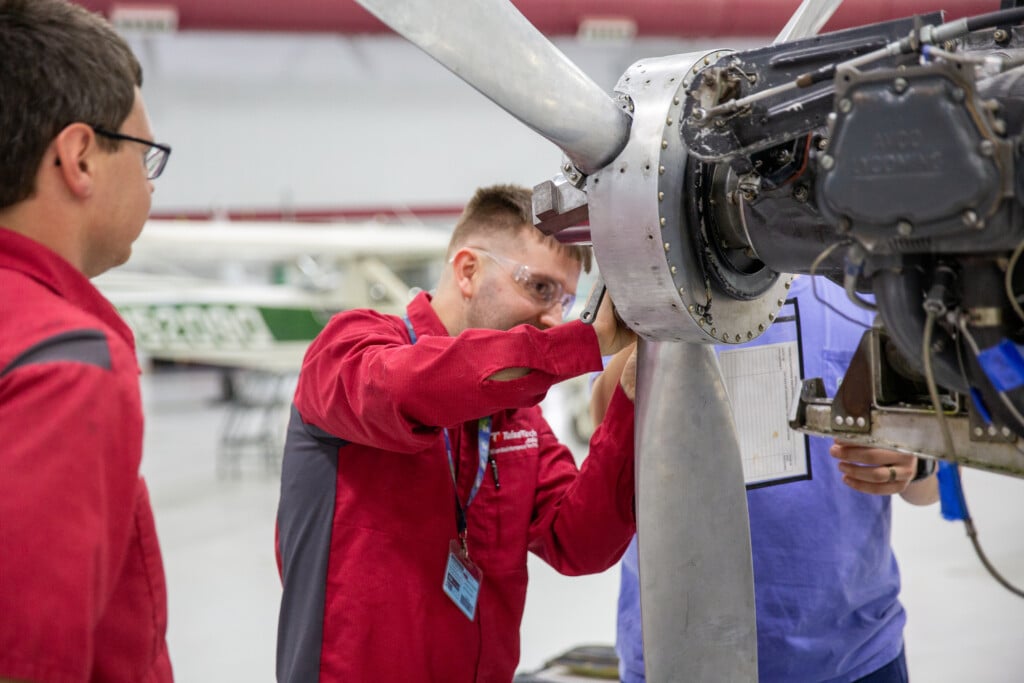
Lowry said technical and vocational schools “are excellent options for students who enjoy hands-on learning, want specialized career training and are eager to enter the workforce sooner.”
Such programs often lead directly to high-demand, well-paying careers while requiring less time and lower overall educational costs than a traditional four-year degree, she added, noting that students interested in technical education can begin taking courses while still in high school through local career technology centers.
For students considering a vocational-technical path, Wright said, the sophomore year is a good time to start examining the options.
Students can attend Tulsa Tech for free beginning in their junior year, and when they graduate from high school, “they’re trained, certified and ready to go right into the workforce,” she said.
“That’s something that we push really heavily here at Charles Page because the trade industries are really suffering (from a worker shortage) right now, and these kids can make a really, really good living” right out of high school, she said.
Another way to learn a trade while also earning a living is through military service, the counselors said.
Lowry said students interested in military service can begin conversations with recruiters early in high school to learn about available opportunities.
“Serving immediately after graduation is one pathway, but students may also consider participating in ROTC (Reserve Officers’ Training Corps) while attending college or applying to one of the military service academies,” she said. “Learning about these options early allows students to understand the academic, physical and leadership expectations associated with each path.”
At Charles Page, Wright said, military recruiters are on campus regularly, and a student needs only to show an interest to get the ball rolling.
She said the ASVAB – or Armed Services Vocational Aptitude Battery, the primary military entrance exam – is offered to seniors and also to sophomores as a “practice run.”
Finding the Right College
But what about those students who want a traditional college experience?
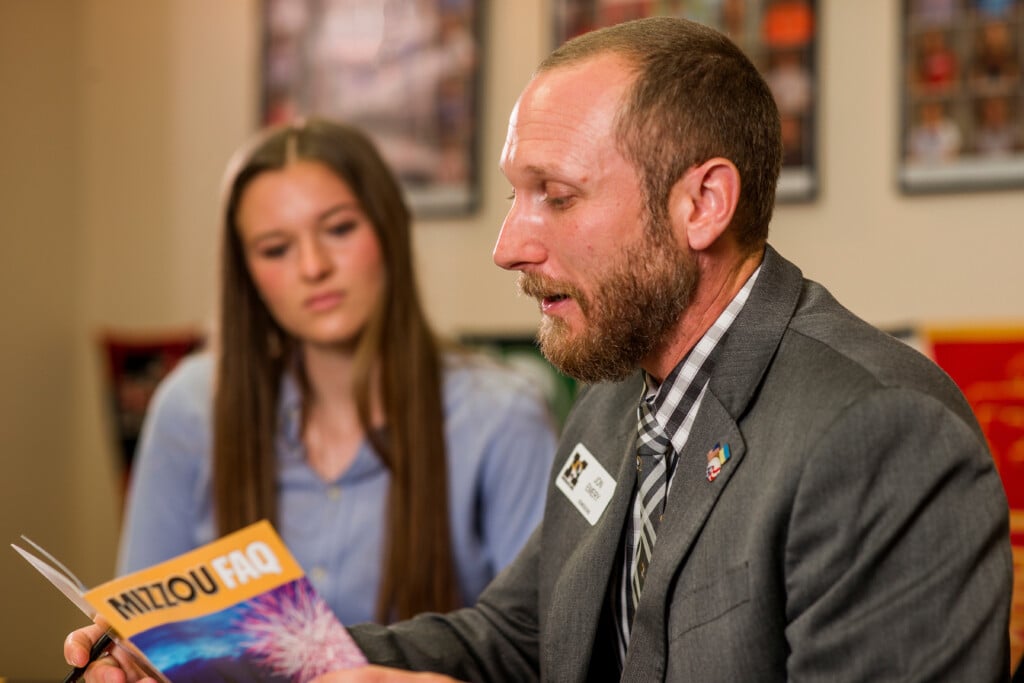
“If they’re college bound, they should start seriously thinking about that in the summer between their junior and senior year,” when they can start taking college tours and begin applying to various colleges they’re considering, Wright said.
She said she likes to emphasize state schools because of Oklahoma’s Promise, a state scholarship program that pays for college tuition at public two-year or four-year colleges in Oklahoma. Students must apply during high school, maintain good grades and stay out of trouble.
Wright added that any student living in Tulsa County can attend Tulsa Community College for free for two years, either through Oklahoma’s Promise or through the Tulsa Achieves scholarship. Tulsa Achieves covers tuition and mandatory fees for graduating high school seniors living in Tulsa County for as many as 63 credit hours or for three years, whichever comes first.
TCC is a great place to take early general education classes because the college has a transfer partnership with many schools, Wright said.
College visits are a good way to find out whether particular institutions meet students’ academic needs as well as get a feel for their social vibes. But when should these visits be scheduled?
“I’m a strong advocate for visiting colleges during junior year, when students begin building their college lists and identifying what they’re looking for in a good fit,” Lowry said. “Fall break, spring break and long weekends are great opportunities to visit campuses.”
Whenever possible, she said, students should try to experience a campus during a typical day.
“If athletics, music, theater or other extracurricular activities are important to you, plan your visit around a game, concert or performance,” she said. “Those experiences often provide a much better feel for campus life than a standard tour alone.”
Wright said a lot of students tour campuses in the summer before their senior year because they have more time then, but she added that Charles Page offers students three excused absences for college tours so they can get a more accurate picture of campus life.
Once a college is selected, paying for it is a whole other ballgame, but high school counselors are well-versed in walking students and their families through FAFSA, the Free Application for Federal Student Aid, and other resources and tools for finding ways to make a college degree a financial reality.
Let Students Take the Lead
Above all else, Wright said, the exploration and decision-making process of planning for life after high school should be student-driven.
“The student needs to take control,” she said. “It can be difficult for parents to let go of that control, but the senior year is a really good time for the parents to practice giving that control to their student.”
But even then, Lowry said, students don’t have to figure it all out alone.
She encourages students to build a support team that includes school counselors, teachers, coaches, family members and mentors and then have additional conversations with college admissions counselors, technical school advisers, military recruiters and professionals working in careers of interest to them.
“Every conversation provides another piece of information that can help clarify the next step,” she said.
“The future is incredibly dynamic. Our world needs creative thinkers, caregivers, skilled tradespeople, entrepreneurs, engineers, educators and problem-solvers. Today’s students will likely have multiple careers throughout their lives, and that’s OK,” Lowry said. “The most important skill they can develop is the ability to learn, adapt and continue growing.”
 Sharon Bishop-Baldwin is a Tulsa-area freelance writer who also publishes the Sand Springs Line on Substack. She’s a cat mom who raises foster kittens for adoption and also a wildlife rehabilitator who raises raccoons and squirrels for release back to the wild.