What College Admissions Counselors are Really Looking For
An Oklahoma recruiter answers your questions.
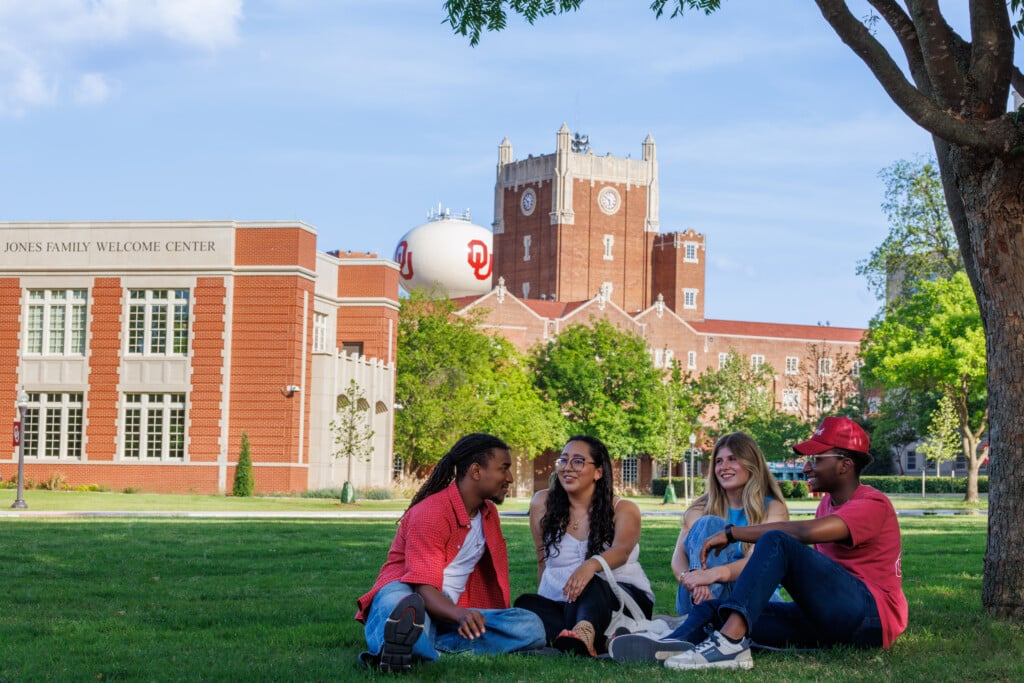
Applying to college can feel overwhelming, especially for first-time students and their families. We asked Anna Smith, an admissions counselor at the University of Oklahoma, to answer some of the most common questions she hears—from when students should start preparing to what makes an application stand out.
When should students begin preparing for college?
It’s never too early to start thinking about and preparing for college. Early in high school (freshman and sophomore years)—focus on taking advantage of the curriculum options available at your respective high school, maintain a solid GPA, start to think about PSATs/PreACTs and ultimately consider if concurrent enrollment is an endeavor that matches your appetite for college learning.
Spring semester of junior year is a great time to start visiting schools you’re interested in and learning more about the admissions process at those schools (each are different, so it’s great to start connecting directly with those schools) and also taking your first or second ACT, SAT or CLT exam.
Senior year is all about those application deadlines, so knowing important dates before senior year begins is a huge help! Also, having a good line of communication with your admission counselor makes the whole process much less stressful. A student’s admission counselor guides the student and their supporters or families through the application process, post admission process and assists in understanding financial aid.
Besides grades, what are admissions counselors looking for?
Grades and academic rigor are a large part of assessing a student’s readiness for the college classroom. But there are other pieces that add to a student’s potential success in college. Seeing how a student gets involved on their high school campus and their community is huge—it’s so important for students to be willing to make an impact outside of the classroom. It showcases commitment, willingness to support and, ultimately, the desire to do the same in the college setting.
Our admission counselors also read through the college admissions essay. This is a student’s opportunity to tell us who they are, where they have failed or had wild success and how that plays into who they are!
Lastly, letters of recommendation lay out who the student is from other perspectives. Many schools accept letters of recommendation in the admissions process and utilize those to assess the full picture of the student.
What makes an application stand out?
Being able to read a student’s application and experience that student in such a genuine way is refreshing. Knowing that a student poured their heart into something speaks volumes in an essay.
Is it better to take more challenging classes or maintain a higher GPA?
There is a way to have a healthy balance of both—seeing that students have rigor in their courseload throughout high school is important, but it is also important for students to maintain a solid grade point. It’s always a good idea to communicate with your high school counselor about class options to ensure you’re getting the right amount of rigor, while not making your GPA inadvertently suffer.
What’s the biggest mistake you see students make during the college application process?
Not paying attention to important dates and deadlines. I’ve seen students scramble at the last minute for certain deadlines, and that causes so much unnecessary stress and sometimes plays a negative role in the affordability conversation. Colleges and universities are so good at posting their important deadlines on their websites [and] communicating those via email/text/phone/mail, so putting these dates on a calendar, for all the schools you’re considering, as a reminder would be a smart idea heading into college application season!
How can students tell if a college is the right fit?
Attending college is a big investment. Students are given opportunities, both in and out of the classroom, and it’s pivotal for them to feel that their degree is truly worth that investment. They should see the value of the education and experiences they receive while attending that school.
What advice do you have for families trying to make college more affordable?
Start looking into outside scholarships (not directly affiliated with any university or college) early—many groups, organizations and companies have opportunities that students can start applying for while they are still in high school. A 529 College Savings Plan is something else to consider when looking at ways to make college an affordable option.
Many Oklahoma students are eligible for a state-funded program called Oklahoma’s Promise, that pays for tuition at Oklahoma public universities, colleges and technical centers. Qualifying students can apply for this program as early as eighth grade.
What’s the best way parents can help without taking over the process?
I love interacting with the students I work with in my schools, and I want them to feel supported and empowered to directly work with me through the process. I would encourage parents to support their student by guiding them along the way and helping them stay accountable with deadlines but ultimately have them take the reins when it comes to communicating with the school and completing tasks. Parental involvement is so important, but we want to see students advocating for and trusting themselves to do what needs to be done when they are applying for college.
What should students look for when visiting a college campus?
There is so much shown to students during campus visits—it can be so overwhelming! But, at the end of the day, a student should be able to truly see themselves on campus—not only going to class and doing the day-to-day work, but living in and getting involved and being an active participant to the campus community. The school that makes a student feel like their most authentic self is where they should be.
If you could give every high school freshman one piece of advice, what would it be?
Form your own opinion about colleges! Everyone has their own thoughts on what school is the best for whatever situation and for whatever reason, but each person will have their own unique experience at college, depending on so many factors. So, go into the college exploration process open-minded as to what is out there—you might be surprised by what you learn along the way.
Anything else you would like students and parents to know?
Our application for the fall of 2027 opened August 1. Any students who are interested in concurrent enrollment can apply to OU starting September 1.