The Significance of Showing Up
I’ve always participated in athletics, but the truth is, even at my peak, I was a mediocre athlete. Yet I was on the college swim team and always made the travel team roster despite being one of the slower swimmers. What I had going for me was tenacity. To put it simply, I showed up. I got up at 5 for morning workouts, and I was in the water swimming, even on days when it was the last thing I wanted to do. Practicing that discipline has carried over into areas of my life, and I firmly believe the saying that showing up is 80% of life. Is physically showing up enough when parenting and grandparenting, or is there more to it than just a warm body?
Showing up physically
If you’re on any social media sites, you’ve probably seen the videos of a child’s face at a play, sporting event, or recital change dramatically from sad or anxious to elated when they spot their parents in the crowd. I’ve seen it myself at my grandchildren’s events. My grandchildren’s school lets us know when our grandkids will receive a surprise award so we can attend the assembly. When my grandkids spot us in the audience, their faces light up, and their smiles widen. Seeing their reactions is priceless, and worth any change in schedule it took to be there.
As a former working single mom, I also know it’s not always possible to take off work to attend every event. That’s reality. My grandkids’ classmates have explained their parents’ absences to me as though they are reassuring themselves. It’s hard for the kids, but it’s also hard for the parents not to be there. Talking honestly to kids about why you can’t attend is helpful, as is a sincere apology.
Showing up emotionally
Being there is important, but a warm body is not enough. Showing up for your kids isn’t just physical; it’s emotional. Showing up emotionally looks like listening, not just hearing your kids, but actively listening and responding appropriately. It means being fully present, not checked out on devices or distracted by other things. Showing up means valuing their emotions and validating their feelings. Remind yourself what it feels like to be a vulnerable child dependent on adults, and that might help you empathize with your child. Being emotionally sensitive also means avoiding sarcasm or hostility and regulating your own emotions. It means providing a safe space where they feel secure and free to express their vulnerabilities. Showing up means recognizing the child’s unique traits and accepting them as they are.
Showing up emotionally for your children when they are young helps them build healthier relationships with their peers, both now and later in life. Having the foundation of parental support helps children develop emotional intelligence, including empathy and sensitivity. Knowing they always have a safe place to land gives kids the courage to try new things and the resilience to recover if they fail. When emotional connection isn’t present, a child is more likely to have behavior problems and issues with depression.
It’s impossible to show up physically and emotionally one hundred percent of the time. Parenting is difficult, time demands can be stressful, and none of us are perfect. Enlist the support of others if possible. Maybe neighbors, friends, or grandparents can attend events when you’re unavailable. Grandparents are the best parenting hack! We usually have time to attend events, and because we have a degree of separation and many years of experience, we’re good listeners to our adult children and grandchildren. Show up emotionally and physically as often as possible, but also know that as long as you’re doing your best and communicating with your child, you’re winning. You may not be able to attend every event, but it’s your emotional presence that will form a connection and have a lasting impact.


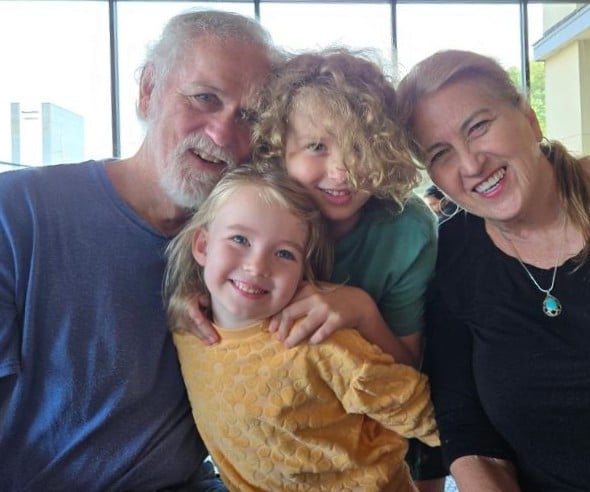
 Welcome to Grand Life, the TulsaKids blog that explores the wonderful adventures of grandparenting! Join me and my grandchildren as we explore interesting activities and visit family friendly sites in Tulsa. This blog shares the joys and challenges of grandparenting as well as the various roles grandparents play in their grandchildren’s lives.