Backyard Camping 101
A simple way to make spring nights memorable and screen-free
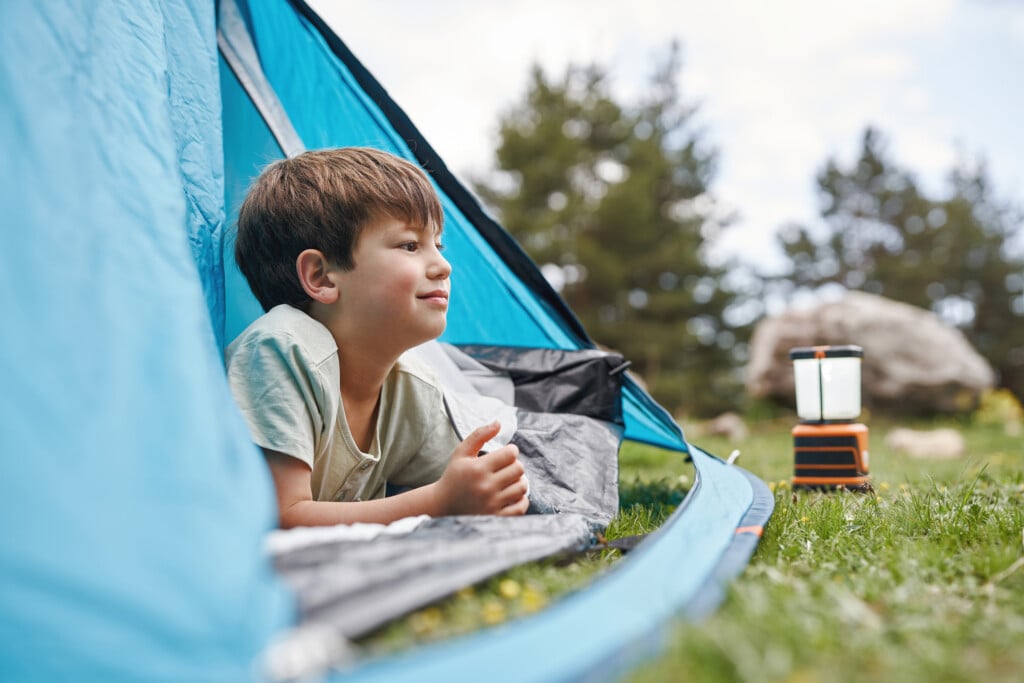
You do not need a national park permit to give your children a sense of outdoor adventure. Sometimes, all it takes is a tent pitched on familiar grass, your yard transformed by twilight, and the decision to stay outside just a little longer than usual. Spring is generous that way. The evenings stretch, the air softens and the bugs have not yet fully claimed their territory.
Backyard camping lives in the sweet spot between novelty and comfort. It feels special without being elaborate. And for families craving connection without screens, it offers something rare—time together that does not ask much of anyone except presence.
Start Small:
The goal is not to recreate a wilderness experience. It is to make memories and to have fun.
A tent is helpful, but not essential. Sleeping bags or blankets can be all you need, and a flashlight feels just as magical as a lantern. The more familiar the setup, the safer children feel, so let them help you prepare.
Have them gather pillows. Let them unroll the sleeping bags. Ask what snacks feel “camping worthy.” Ownership turns an activity into an event, and it builds anticipation long before the sun goes down.
The Best S’mores Are Simple:
No campout is complete without something warm and sweet. DIY s’mores can be as traditional or as creative as your family likes. Classic marshmallows and chocolate work beautifully. So do peanut butter cups, sliced strawberries or banana pieces tucked between graham crackers.
If an open fire is not an option, no problem. S’mores can be made over a grill, a fire pit or even inside using the oven broiler. The point is not authenticity. It is the attempt. Children remember sensory experiences. They remember being trusted with sticky fingers, the smell of melting chocolate and the permission to linger.
Safety Is Part of the Comfort:
Backyard camping works best when everyone feels secure. Do a quick yard check before dark. Look for tripping hazards, sharp tools or anything that does not belong near a sleeping space. If you are using a fire pit, set clear boundaries and talk through expectations before lighting it.
Keep a small basket nearby with essentials. Think bug spray, bandages, extra socks, blankets, pillows and a water bottle or two. Knowing help is close allows kids to settle in more fully, even if they never need it.
Make sure kids know that going inside is always allowed. Knowing there is an easy exit often makes children more willing to stay.
Let the Night Be the Entertainment:
Without screens, the evening opens up. Sounds grow louder. Stories are brighter. Children ask questions they might not think to ask during a busy day.
Lie back and watch the sky. Count stars if you can see them. Listen for night birds or distant traffic and wonder together where it is headed. Tell stories from your own childhood, especially the imperfect ones.
Some families bring a favorite book and read by flashlight. Others play word games or share jokes. Some simply talk until sleep arrives. There is no wrong way to fill the time. Expect imperfection and welcome it.
Expect that someone will get cold or that someone may decide at nearly midnight that sleeping inside sounds better after all. This is all fine.
Backyard camping is not about endurance. It is about fun and flexibility. Even a partial night outside still counts. Even setting up the blankets and sharing s’mores before returning indoors is a success. Children remember how experiences feel, not how closely they followed the plan.
Morning Is Part of the Gift:
If you do make it through the night, let the morning unfold slowly. Focus on simple pleasures like the dew on the grass and the quiet pride of having slept somewhere different. Stick with simple foods, like fruit and baked goods. Leftover s’mores work, too. Resist the urge to rush into the day.
There is something grounding about starting the morning outdoors, even briefly. It sends a subtle message that we can take the time to slow down and make space for each other.
Why It Works So Well:
Backyard camping strips away expectations. It asks parents to show up rather than perform. It asks children to be present rather than entertained. In a season often filled with schedules and noise, it offers something rare and restorative.
Connection does not always require big plans or far-off places. Sometimes it is built right outside the back door, under a sky that has been there all along.
And long after spring fades into summer, that night in the yard will remain as a memory, a shared story and proof that togetherness does not have to be complicated to be meaningful.
Backyard Camping Tips That Make the Night Easier
A backyard campout doesn’t need much to succeed, but a few thoughtful choices can make the difference between a cozy memory and a short-lived experiment. These tips focus on comfort, flexibility and keeping expectations realistic.
Before the Tent Goes Up
- Choose the calmest night possible. Aim for mild weather and a quiet evening. Wind and late-night events nearby can make everything feel harder than it needs to be.
- Set expectations. Talk about the plan in loose terms. “We’ll see how long we stay out” gives kids permission to try without pressure.
- Bring necessities. Extra socks, blankets and a backup sweatshirt can turn a chilly moment into a non-issue.
For Younger or Nervous Campers
- Bring something familiar. A favorite stuffed animal, pillow or bedtime book helps the tent feel safe rather than strange.
- Keep bedtime routines recognizable. Pajamas, toothbrushing and a familiar story cue the body that sleep is coming, even in a new setting.
- Narrate the night sounds. Naming what children hear helps reduce anxiety. A distant car or rustling leaves feels less scary when they’re understood.
Comfort Makes Everything Better
- Layer underneath. Sleeping bags on grass can feel cold from below. Adding an extra blanket or foam mat creates insulation.
- Light matters. A soft flashlight or glow stick inside the tent prevents that sudden pitch-dark feeling that can trigger fear.
- Hydration counts. Have water nearby so no one has to navigate the yard half asleep.

Shannon Dean is a freelance writer who specializes in writing about families.