What Adults Wish They’d Learned in School
From friendships to finances, the lessons that matter most often aren’t part of the curriculum.
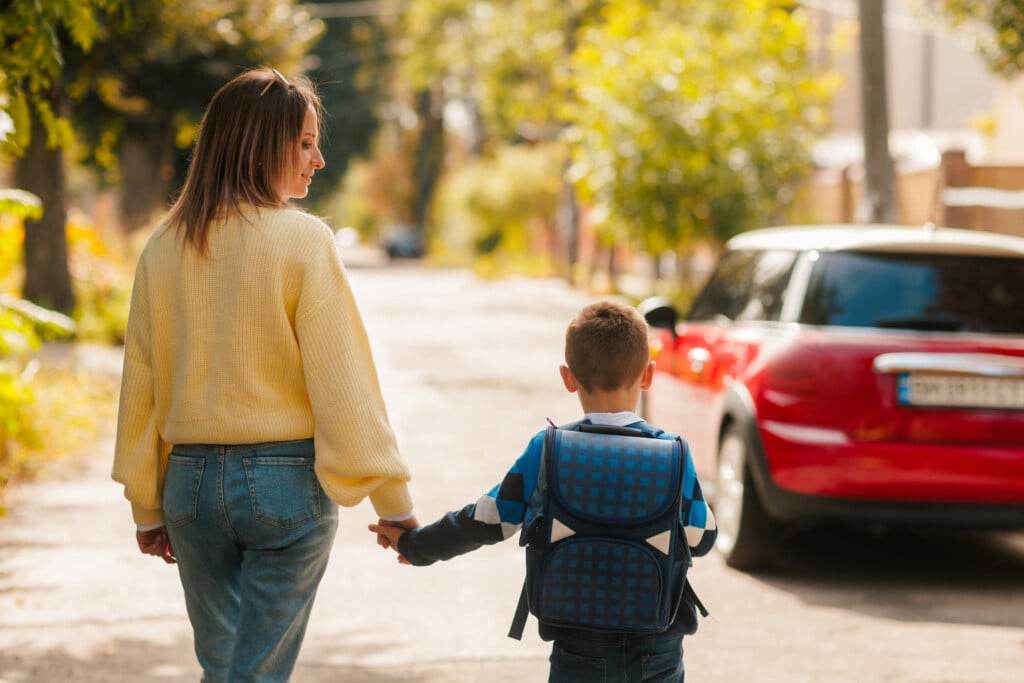
Hey, students who just made it through the school year: School is out, your schedule looks different, and for the first time in a while, you have room to breathe. Summer has a way of slowing things down just enough for you to think—even if you don’t realize it.
Here’s something most adults don’t say out loud often enough: Some lessons from school help you succeed in the classroom. Others, you don’t fully learn until life teaches them the hard way.
If someone had pulled us aside earlier and had a real conversation about a few things, it could have saved time, frustration and a lot of second-guessing. This is one of those conversations.
Your Voice Matters More Than You Think
Many of us grew up thinking being “good” meant being quiet, agreeable and easy to manage. Speaking up felt uncomfortable—or even risky. Over time, that silence can become harder to break.
Using your voice isn’t about being loud or disrespectful. It’s about recognizing that your thoughts and feelings have value. It means asking questions, speaking up when something doesn’t feel right and advocating for yourself clearly and respectfully.
Friendships Will Change—and That’s OK
Right now, friendships can feel like everything. But not every friendship is meant to last forever. People grow, interests shift and sometimes paths simply change.
Pay attention to how you feel around others. The right friendships feel supportive, not stressful. You won’t have to pretend or shrink yourself to fit in.
Mistakes Are Part of the Process
Mistakes don’t define you—but they will teach you.
Many people spend years trying to get everything right. When something goes wrong, it can feel personal. But mistakes are part of learning and growth.
You’ll try things that don’t work and make choices you wish you could redo. That doesn’t mean you’ve failed. It means you’re learning. What matters most is what you do next.
Let’s Talk About Money
This is one many adults wish they had learned sooner.
Money moves quickly when you’re not paying attention, and managing it takes discipline. You don’t need to have everything figured out right now, but you do need to start paying attention.
When you get money, pause before spending it. Practice saving toward a goal. Those habits stick—and they matter more than you think.
Your Feelings Are Real—Your Choices Still Matter
You’re going to feel a lot of emotions—sometimes all in the same day. That’s normal.
What takes practice is learning how to respond to those feelings without letting them control your decisions. Take a moment, breathe and think about how you want to respond, not just how you feel in the moment. That’s where you level up.
For Parents and Educators
Summer creates a different kind of opportunity. The structure of the school year fades, schedules open up and there’s more space for meaningful conversations without the pressure of assignments and daily routines.
Young people are often more open than they seem—especially in relaxed environments where they don’t feel corrected or evaluated. They may not start the conversation, but they’ll respond when they feel safe.
Simple questions can open the door:
- What did you learn about yourself this year?
- What felt more challenging than you expected?
- What’s something you want to do differently moving forward?
These conversations don’t need to be long or formal. What matters most is consistency and authenticity.
As Summer Begins: What Really Sticks
Summer brings more freedom, independence and unstructured time. With that comes more decision-making—often without the built-in guidance of the school day.
School provides knowledge. Life skills—like communication, emotional awareness, self-discipline and decision-making—determine how that knowledge is used.
Summer offers a window to strengthen those skills through everyday moments, conversations and reflection.
Summer will pass quickly. What remains is how students have grown—not just academically, but personally. That growth is what prepares them for what comes next.
 Dr. Tamecca Rogers serves as Director of Student Access and Success at Tulsa Technology Center. An award-winning author and filmmaker, she is committed to diversity, equity and inclusion in all her endeavors. Photo by Denice Toombs-Dotson with Lasting Impressions Photography.