How to Help Your Child Transition to Middle School
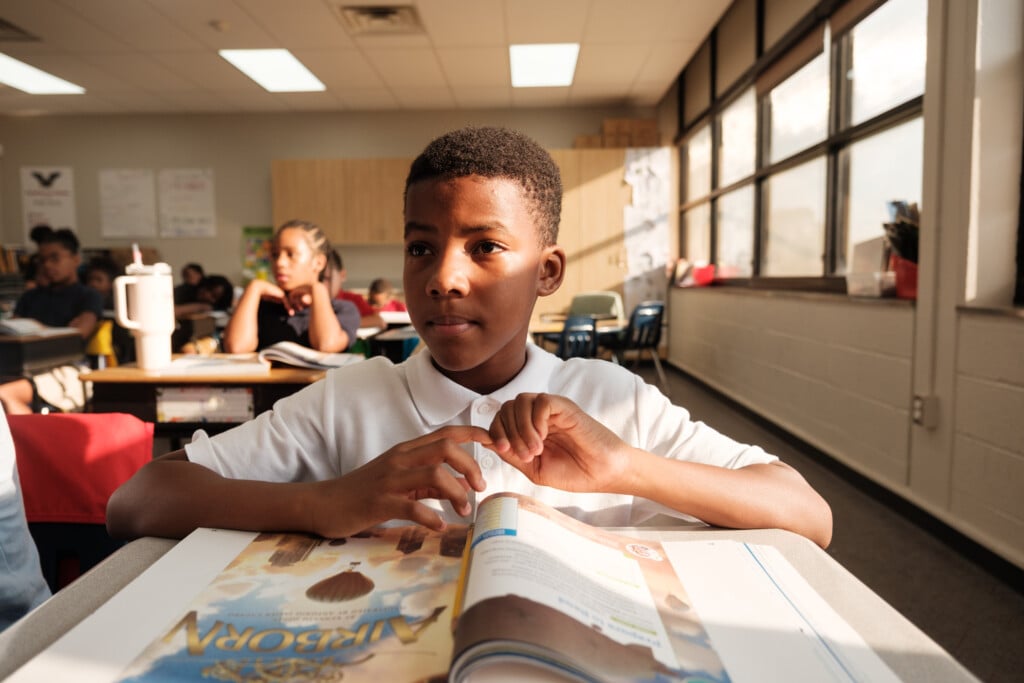
By middle school, most kids already know the routines of school life—homework, friendships, classroom expectations and academic pressure. Still, the transition to middle school can bring a whole new set of academic, emotional and social challenges.
Although preadolescents don’t always show it with their words or actions, they need their parents’ love, involvement and support every bit as much as they did in elementary school. When the school year starts, they may face unique challenges that isolate them at a time when they need your increased reassurance.
Finding Their Place
Many beginning middle schoolers have specific worries about looking out of place. They worry about navigating a larger facility, managing a locker or a very heavy backpack, being on time for their next class, and juggling several different teachers. Add in changing hormones, the beginnings of peer pressure and tweens’ tendency to view everything as a crisis, and the result can be an enormous amount of anxiety.
You can help ease these fears by visiting the school prior to the first day and making sure that your child has walked through his daily routine enough times to feel comfortable. Remind him to tape his schedule, locker combination (if applicable) and e-text passwords inside a folder or in the notes section of his phone, just in case.
Since self-esteem is directly tied to feelings of acceptance, preteens may covet the clothes, hairstyles and hobbies embraced by their friends. Although it may be hard to accept, experts encourage parents to give kids some freedom with their appearance.
Counselor Bonnie Harris, who wrote Confident Parents, Remarkable Kids: 8 Principles for Raising Kids You’ll Love to Live With, suggests an open dialogue to address any concerns: “You have the right to say, ‘I’m not comfortable’ and explain why,” she explains. “But if you start with, ‘You can’t go out looking like that,’ you can’t win.”
Keeping Up
The National Education Association recommends students spend 10 minutes per grade level on homework each night. That equates to 60-80 minutes nightly for middle schoolers.
To help students stay organized and avoid overload, experts recommend parents:
- Help students keep a designated homework folder or agenda for tracking assignments and deadlines.
- Review assignments regularly and help children understand both short- and long-term expectations.
- Break large assignments into smaller, more manageable tasks.
- Encourage students to estimate how long assignments will take so they can avoid procrastination and overcommitting.
- Create a regular homework routine with a quiet workspace free from distractions like electronics or younger siblings.
Navigating Social Pressure
Experts say that parents should address peer pressure well before the first day of school by speaking freely about their values, sharing their own experiences and helping their child find ways to respect their wishes but still fit in.
Offer acceptable ways to escape risky situations. Role-play to find face-saving one-liners like, “I couldn’t go to the mall with you this weekend if my mom caught me skipping class.”
Pick a code word or phrase to use when she needs you to bail her out of an uncomfortable situation, but can’t say so. For example, when she calls you mother instead of mom, this means that she needs your help, but can’t explain why in front of her friends.
Do everything in your power to arm your child with high self-esteem, respect for herself and others and strong moral standards. “When a person believes in herself, she is more likely to make the right decisions in difficult moments,” says Mike Domitrz, creator of Safer Choices, an interactive program for schools. “Students with low self-esteem are more likely to lower their standards to please others – a very dangerous and unhealthy behavior.”
They Still Need You
The start of middle school has the potential to be a difficult adjustment, but it can also be an opportunity to strengthen your relationship with your tween.
Try to see this transition as an opportunity to reinforce your family’s values and to remain as connected as you have always been.
Cynthia Uhlrich Tobias, the co-author of Middle School: The Inside Story: What Kids Tell Us, But Don’t Tell You, assures parents that these years can actually be advantageous: “Instead of just barely hanging on and riding out these middle school years, this stretch of your lives together can be a time that enriches and deepens your relationship in ways you never thought possible.”
Many experts stress that loving parental involvement is critical to how successfully preteens navigate these turbulent years. Most of the time, they actually want your continued and loving support, even if they insist otherwise.
Key Takeaways: Supporting the Transition to Middle School
- Visit the school before classes start
- Help create a homework routine
- Practice locker combinations
- Keep communication open
- Encourage downtime and sleep

Shannon Dean is a freelance writer who specializes in writing about families.