The American Pigeon Museum and Library
A Route 66 detour that’s quirky, memorable and completely free
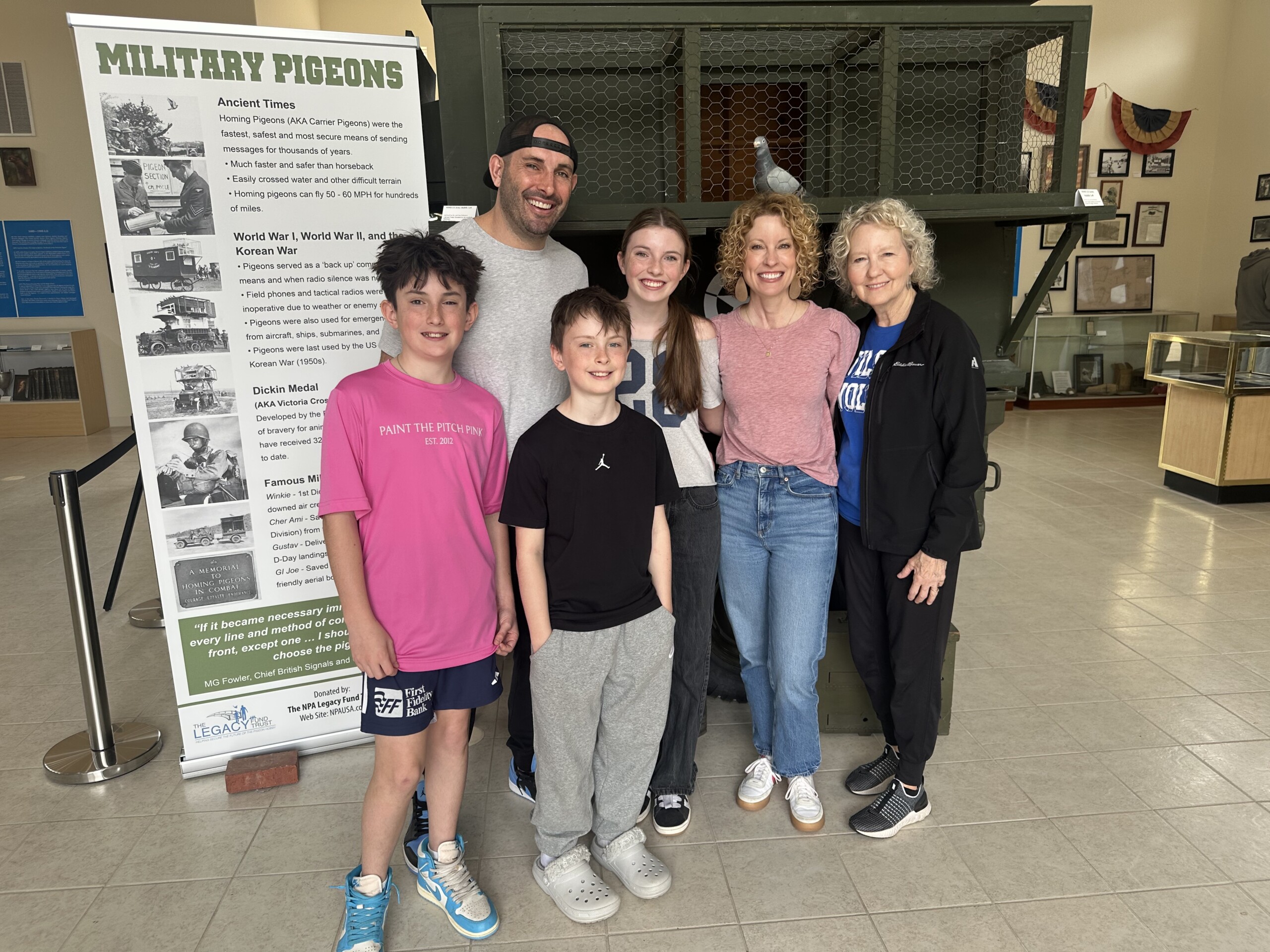
When I think of the Mother Road, I think of neon signs, notable landmarks and cozy diners. But Route 66 also embodies the quirky, the eccentric and the unexpected. Some of my family’s best memories come from the places we never saw coming … the ones that made my kids pause mid eye-roll and say, “Wait. This is actually kind of cool.”
Just a quick hop off the Mother Road in Oklahoma City sits one of those places: the American Pigeon Museum & Library.
Yes. A museum about pigeons. Stay with me.
This attraction delivers something rare in family travel: an unrushed opportunity to sit in curiosity with passionate people who care deeply about a specific topic. Guests meet live birds and are welcomed by the family behind the museum, whose pride and care shape every visit. Plus, it’s interactive and entertaining for all ages, from toddlers to grandparents. And completely free!
Why pigeons?
I’ve visited museums across the country, from Smithsonians to roadside attractions. I’ll gladly reroute a trip for a museum of any size on any subject. But since my first visit to the American Pigeon Museum, it’s the museum I recommend more than any other.
The museum opened in 1973 and was renovated in 2014. I’d heard about it for years, and I expected something interesting, novel and quick. Instead, we lingered, bought the T-shirts and have returned several times.
Who knew pigeons have been shaping human history for thousands of years! They’ve delivered wartime messages, competed in international races and been bred into stunning varieties that look almost too dramatic to be real.
Exhibits trace those stories from military service to the evolution of pigeon racing. Visitors will find collections of artifacts, photos and videos, from intricate racing clocks and wartime medals to the tiny carriers attached to pigeons to transport messages. There are shelves of pigeon-themed art and memorabilia, QR codes that unlock deeper dives and even a life-size wartime mobile loft, complete with handlers preparing birds for flight.
My kids were captivated by how essential the birds were to communication during wartime. We spent nearly an hour peppering staff with questions about how pigeon racing works, including how the birds are trained and how in the world they find their way home across vast distances.
I love what happens when curiosity stacks on itself because a place invites questions instead of hurrying you along.
The moment that wins families over
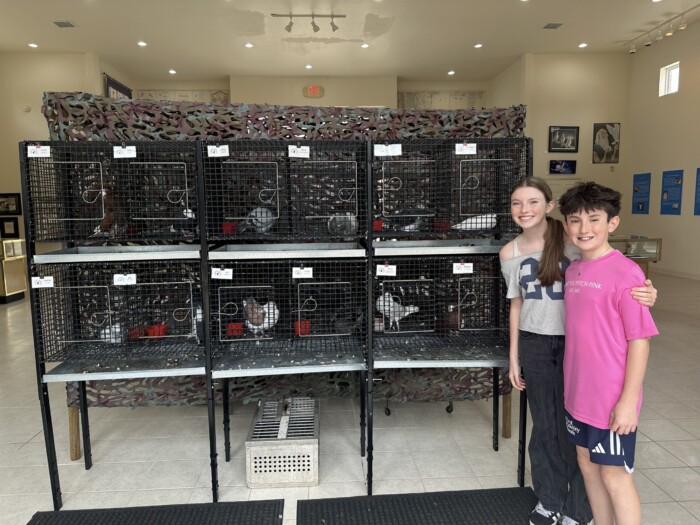
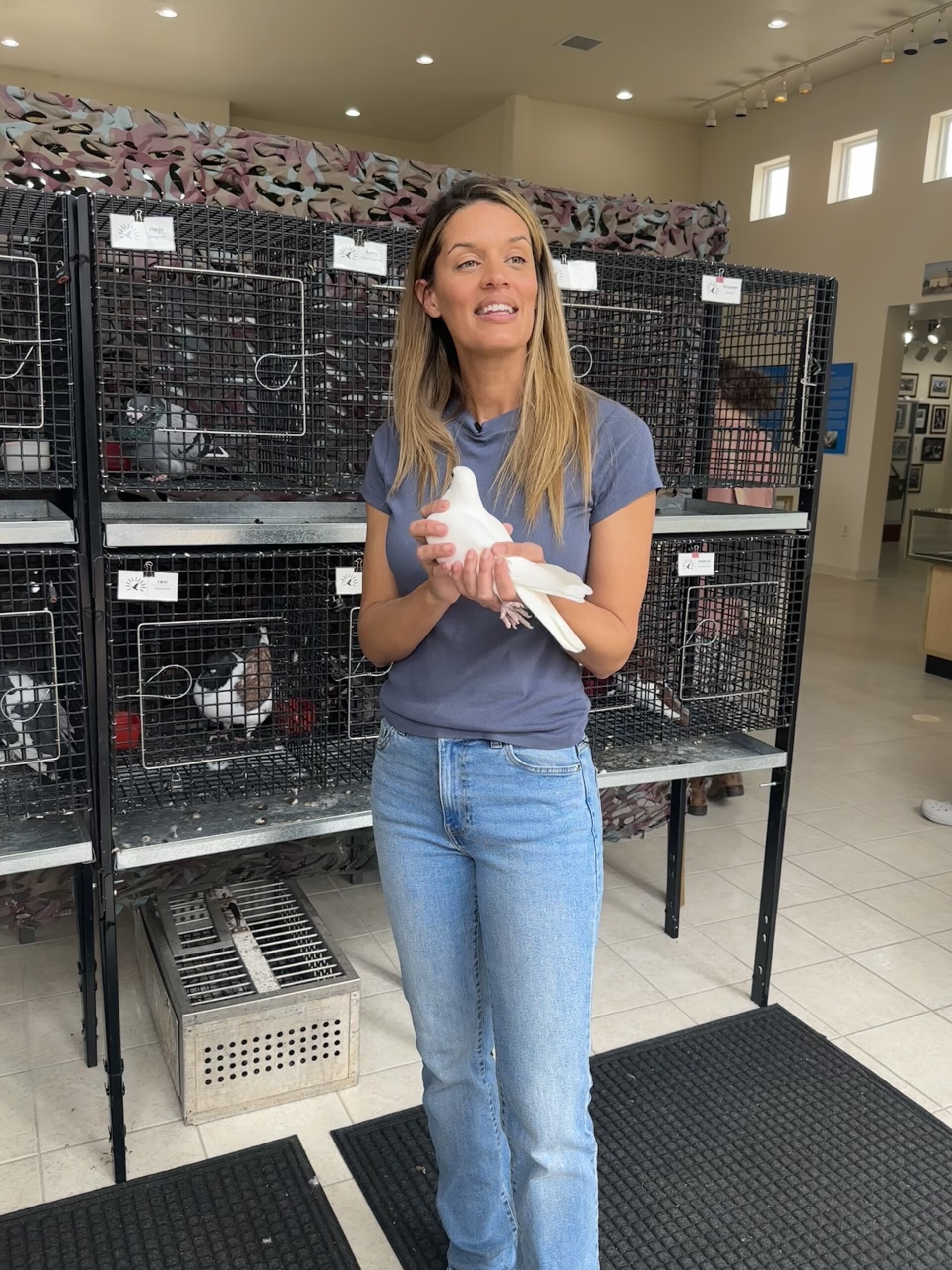
While the exhibits are engaging, meeting the live birds is what sends this museum into core-memory territory. If you have an animal lover, a future veterinarian or a kid who enjoys trivia, this is their moment.
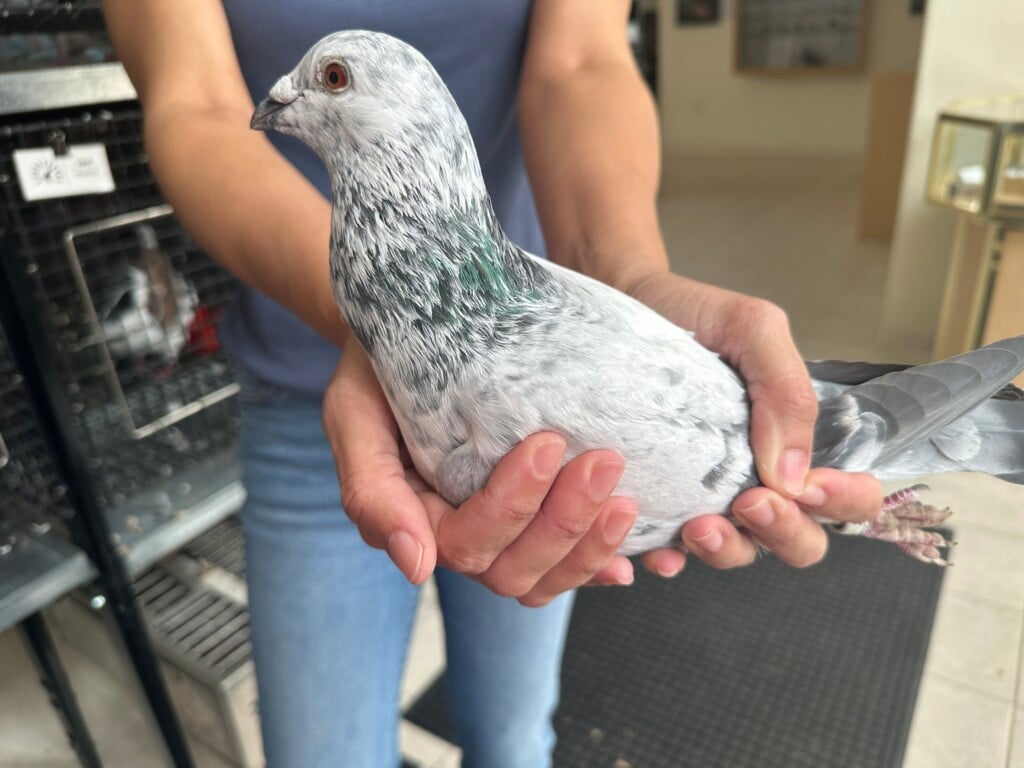
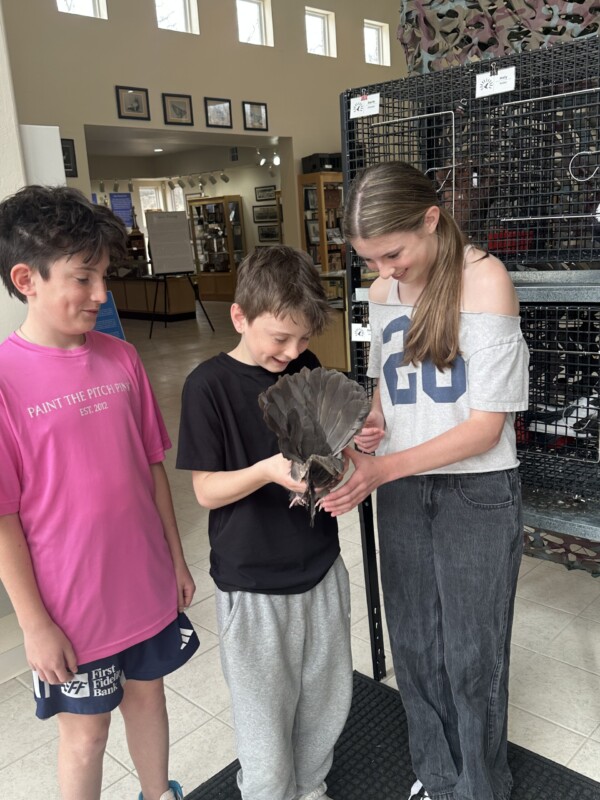
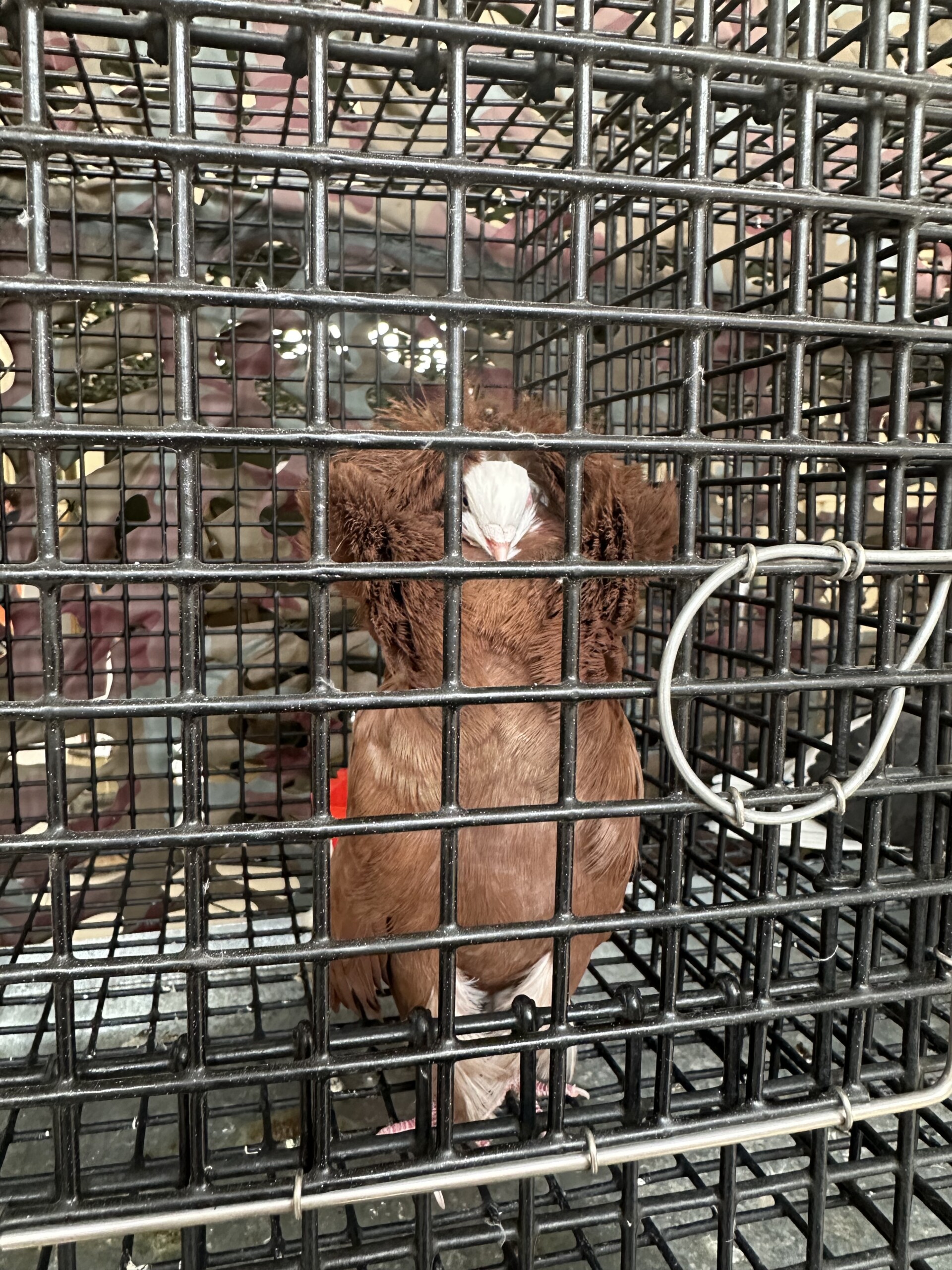
Visitors can meet several breeds up close, and depending on the day, may even get the chance to gently interact with them. Suddenly the history you’ve been reading about is blinking, cooing and shifting in your hands, and, for us, that leap from display case to real life was the difference between mild curiosity and full-on fascination.
We not only got to experience their distinctive looks but also their personalities, with Garth and his fancy collar being our favorite of the flock.
Nothing about the experience feels rushed or rehearsed. The conversations unfold at a kid’s pace, led by people who clearly love these birds and genuinely want every visitor, especially the youngest ones, to leave feeling that same spark.
Built for the wanderer mindset
This museum perfectly fits the spirit of Route 66. It exists because people care deeply about preserving a piece of culture most of us would otherwise miss. And like so many Mother Road attractions, it feels personal in a way big destinations sometimes can’t.
You walk out knowing more than you did when you walked in, a little charmed, slightly surprised and with at least one story you’ll be repeating for years to come.
My favorite part was discovering an entirely new subject together as a family. I’m fairly certain at least one of my children is still contemplating how they can become a pigeon racer.
Plan your visit
Plan to stay about an hour—longer if your crew gets deep into the racing history or spends extra time visiting the birds.
The museum is open Friday afternoons from 1 to 5 p.m. and Saturdays from 10 a.m. to 5 p.m. Check their social media feeds to confirm. Admission is free; donations are accepted. Learn more at theamericanpigeonmuseum.org.
Pigeon Fact #1: Feathered heroes
Thirty-two pigeons received the Dickin Medal of Honor for their service during World Wars I and II.
Pigeon Fact #2: Ready, set, home
The sport of pigeon racing was introduced in the United States in 1875. Specially bred Racing Homer pigeons are released and then return to their home over a carefully measured distance. The time it takes the bird to cover the distance is measured, and then that bird’s rate of travel is measured and compared to all other pigeons in the race to determine the winner.
Make It a Full Day
OKC’s Adventure District is home to a number of quirky and low-cost museums. Minutes from the American Pigeon Museum, you’ll find the National Softball Hall of Fame, which highlights the history of the sport and the NCAA Women’s College World Series and USA Softball Collegiate Player of the Year Awards. Admission is free. usasoftball.com
The Oklahoma Railway Museum features freight cars, passenger cars and even a real steam engine on display. Admission is free. Train rides are offered every first and third Saturday of the month from April through August, and tickets can be pre-purchased online. oklahomarailwaymuseum.org
The Oklahoma Firefighters Museum showcases more than a dozen restored firetrucks and is the only fire museum in the United States owned and operated by firefighters. Admission is $6 for adults and $3 for kids and seniors. osfa.info/museum
 Erin Page is a mom of three, writer and longtime parenting media leader based in Oklahoma City. For two decades, she’s been telling stories parents care about, from favorite family hangouts to the people and places shaping strong communities for kids.