How to Support Early Language Development During Mealtimes

Convenience matters—especially in our busy lives. Fruit and veggie pouches, handheld snacks (like cheese sticks, cereal bars or Goldfish), and easy fast-food meals certainly make things quicker. But what might we be losing with this convenience?
Sit-down, family-style meals are valuable for so many reasons. They teach social skills, communication, connection, patience and turn-taking. They’re also the setting where children learn to use a spoon and fork—a skill most children can begin around 15 months of age.
Learning to eat with utensils promotes independence, but it also plays a critical role in child development, especially in the following ways:
1. Language and Speech Development
Using a spoon and fork requires children to:
- Chew
- move food around the mouth
- coordinate swallowing
These actions strengthen the mouth, jaw and tongue muscles. This is essentially “exercise” for the mouth—muscles that are also used for speaking. Without regular practice, children may miss important opportunities to develop these foundational oral-motor skills.
2. Fine Motor Skills and Hand-Eye Coordination
Scooping, bringing food to the mouth and managing spills all help strengthen the muscles of the hands and fingers, while also supporting coordination.
Spoon Use, Mealtime and Language Delays
Current research suggests that increased language delays in young children are not caused by just one factor. Rather, several trends are contributing:
- Reduced adult–child interaction (especially during early pandemic years)
- Fewer opportunities for peer play and childcare routines
- Delays in early intervention and therapy services
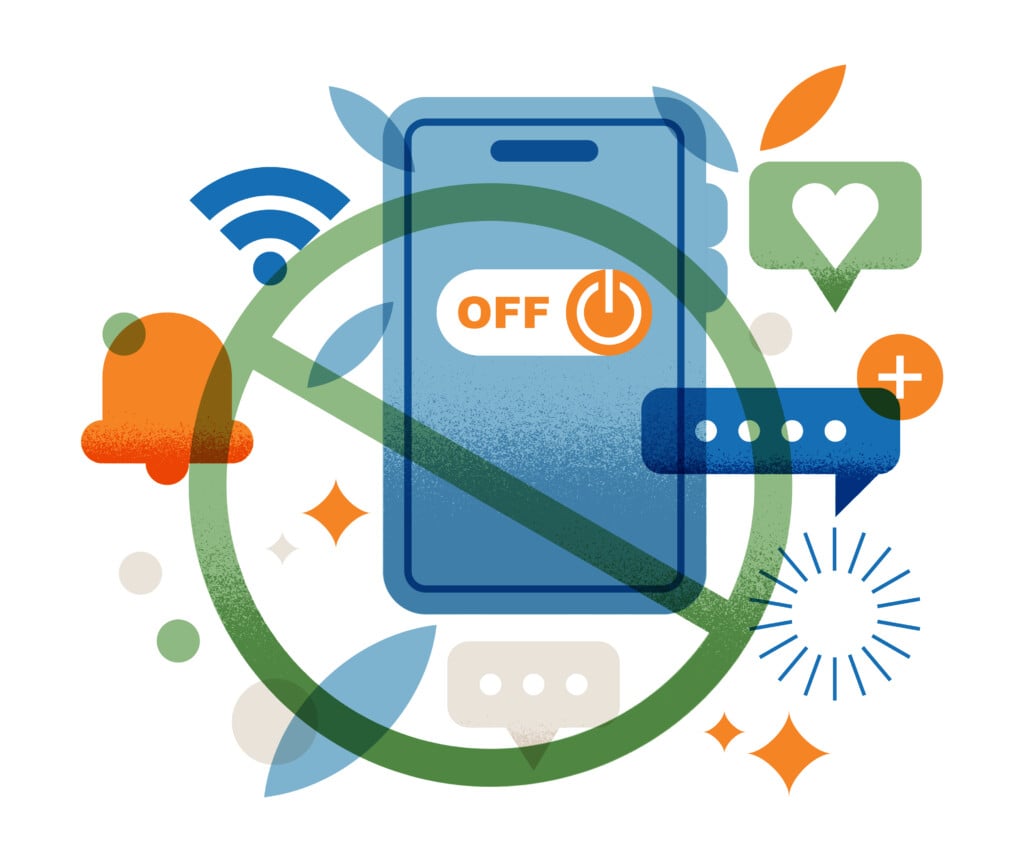
- Increased passive screen exposure and background TV noise
- Changes in family routines and stress levels
Studies consistently show that passive screen time—especially without caregiver interaction—correlates with lower language and cognitive outcomes. In contrast, talk-rich interactions and responsive communication strongly protect language development.
Now we also understand that oral-motor “exercise” from chewing and utensil use is an important piece of the language development puzzle.
Supporting Better Language Outcomes
Families can help protect and support language development by:
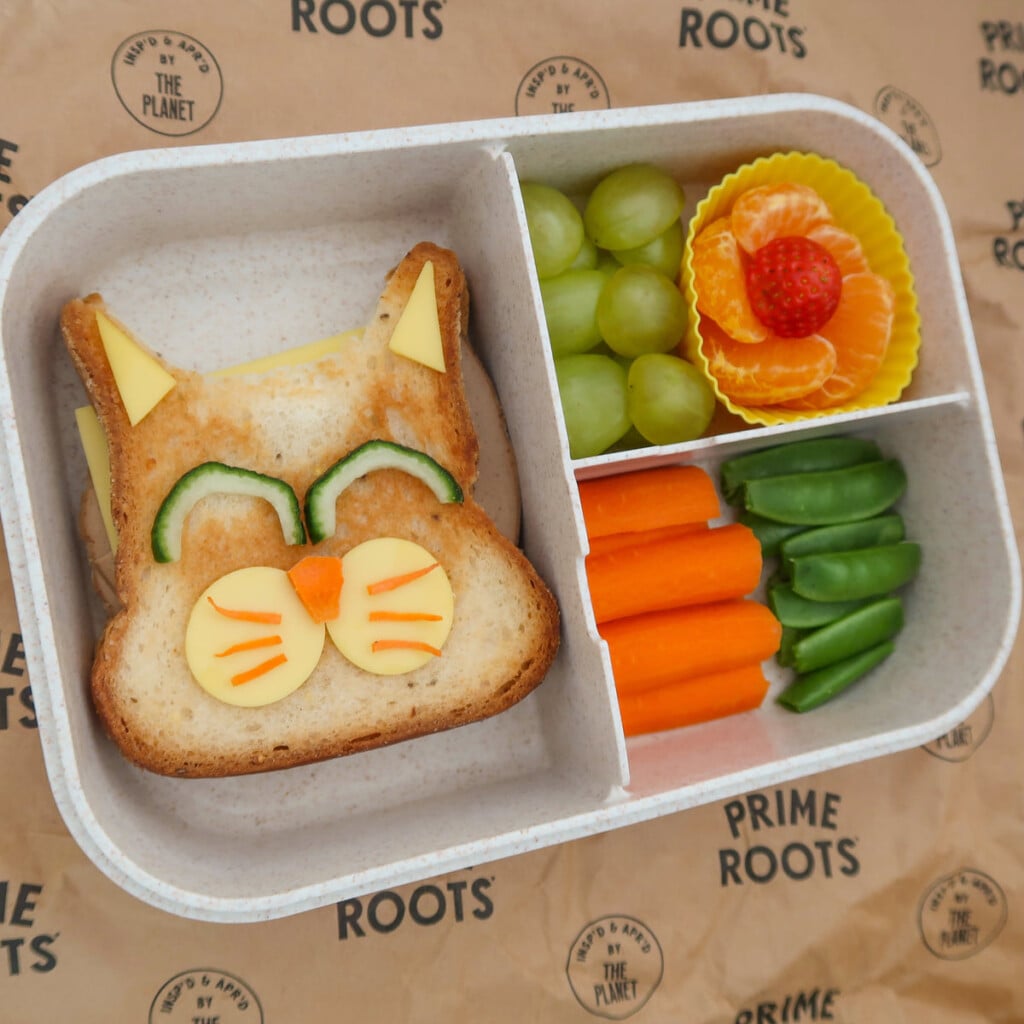
- Having regular sit-down meals where children practice using a spoon and fork
- Encouraging early independence with utensils (even if it gets messy!)
- Reducing passive and background screen exposure, especially for children under 3
- Creating daily talk-rich routines—narrating activities, reading books, singing and playing
- Allowing children to chew a variety of safe textures instead of relying solely on pouches or handheld soft foods
Together, these everyday habits strengthen fine motor skills, oral-motor skills, social development and—importantly—language growth.
 Angela Percival-Porter is a child development specialist for the State of Oklahoma. She is an adjunct professor, former director of an NAEYC-accredited early learning center, and a consultant to childcare centers.