David Leifeste’s Book Helps People Find Their O.A.S.I.S.
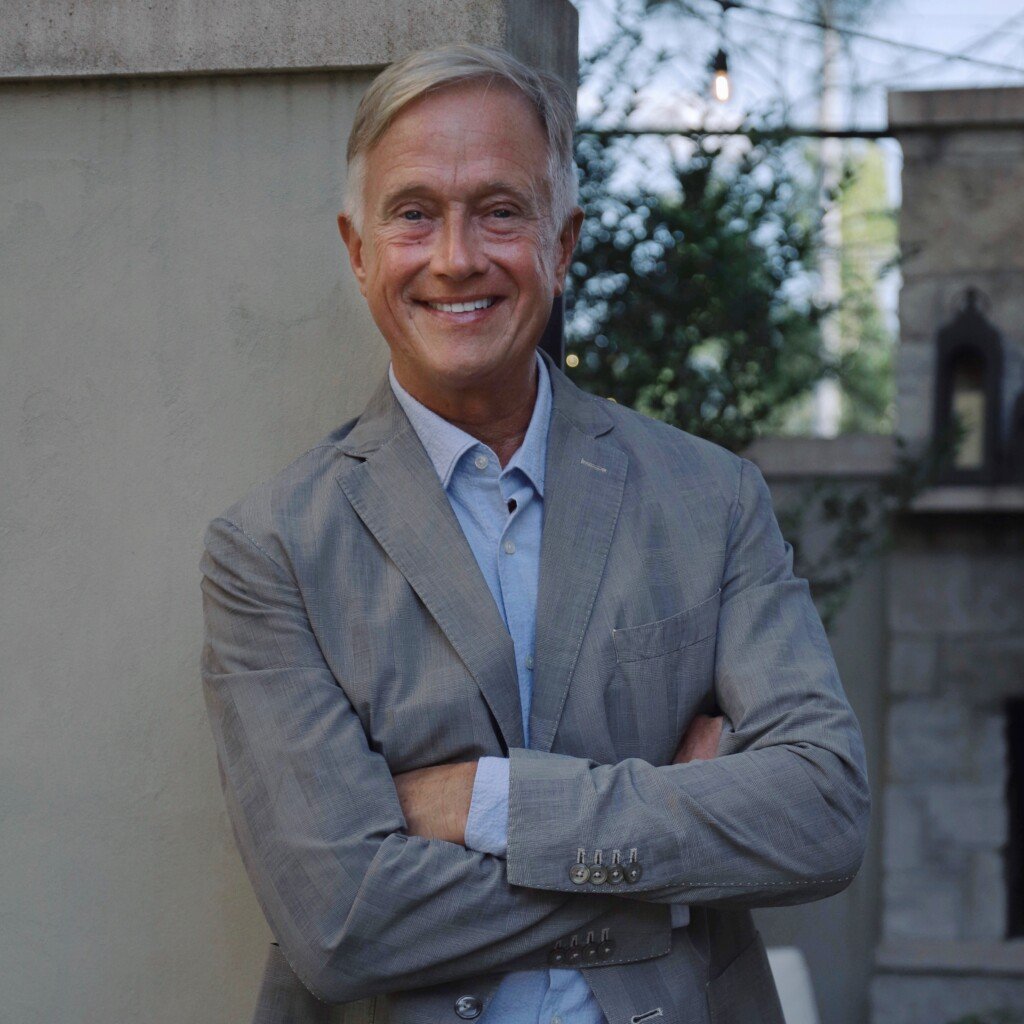
January is a time when many of us pause, reflect and set intentions for the year ahead. It’s a season filled with possibility—yet it can also bring the familiar feelings of being stuck, overwhelmed or unsure of where to begin. In his new book, “The Possibility of You: The O.A.S.I.S. Method to Living a Life of Passion and Purpose,” David Leifeste, a Tulsa-based life coach, psychotherapist and leadership coach, offers a grounded and hopeful path forward for anyone seeking clarity, direction or renewed purpose in the new year.
With more than four decades of experience and over 25,000 clients across all stages of life, David has helped people rewrite limiting beliefs, reconnect with their authentic values, and step into the life they were designed to live. His O.A.S.I.S. Method is simple, practical and effective—guiding readers through reflection, alignment and action. His book is structured as a resource for anyone looking to discover what’s holding them back in creating the life they want to live. It is packed with guidance enabling readers to shift the way they think about themselves, their struggles and relationships and focus on maximizing their potential.
David’s intention and hope for readers is to learn new tools that will lead to their own personal breakthroughs so they can experience the joy of bringing their unique contributions to the world.

TK: What inspired you to write “The Possibility of You: The O.A.S.I.S. Method to Unlocking a Life of Purpose and Passion”?
David: I’ve had the privilege of hearing from tens of thousands of people over 40 years and felt a responsibility to take the knowledge I’ve learned and consolidate it into a practical, user-friendly tool to help others learn how to live their best life. Living a life of purpose and passion is about many things: How you come to know and accept yourself; how you learn to understand how you think, make decisions and manage stress. It’s an educational tool for what it is to be a human, how to do life and how to do it well.
TK: What is the O.A.S.I.S. Method and why is it an effective tool?
David: O.A.S.I.S. is an acronym model. O.A.S.I.S. is a metaphor for a beautiful place, a refuge. And if you think of your life if you lived according to your best self, it would be an O.A.S.I.S. life. The O.A.S.I.S. acronym is the roadmap, the navigational tool and the assessment process. It stands for:
- Open yourself up to alternative ways of thinking about your life or your approach to it. Observe your feelings, thoughts, behavioral patterns and the feelings and behaviors of others, and objective data that may affect your understanding of an area of your life you’d like to improve or a challenge you hope to overcome.
- Analyze. Consciously analyze the information you’ve observed to create an accurate picture of the situation and assess how an expanded view of the situation affects your understanding of it.
- Sense is the sensory, spiritual part of our being. That gut part that feels emotion. I want people to listen to that. That is one of our biggest gifts, and I want them to learn how to take what their analysis has established and work to see if they’re getting confirmation in their spirit. Sense what your “gut feeling” is telling you about this new outlook.
- Ideate leads us to instinctual and intuitive ideas. These are the “eureka” moments of what we’re trying to figure out in this decision-making process, or when we think we are working on a plan of action, confirming is it the right one. Ideas will pop up that will be clarifying and enlightening.
- Shift finally leads us to hitting a solution and bringing the final shift.
Everything about the O.A.S.I.S. model is how to work our lives up to our next best level, the 2.0 version of ourselves and our lives. We’re trying to shift into a better, purer reflection of who we are.
TK: In your book, you emphasize that many people feel stuck because of limiting beliefs. What are some of the most common limiting beliefs you see, and how can parents begin shifting those patterns—both for themselves and their children?
David: We limit ourselves because we generally have either fear or ignorance about things and don’t want to be in a vulnerable place. Therefore, our beliefs are constructed to make us feel safer and not risk fully showing up in life. It’s important to work with fear in terms of trying to ask ourselves, “What am I truly afraid of?” and then start challenging what failure is to you. Start by challenging the fact that everybody who gets anywhere continued to do things in a way that didn’t work for a while until they figured out a better way to make it work. Trial and error are part of the process. It’s important to reframe failure as a learning opportunity.
As a parent, your job is teaching your child who they are. Observe them with their gifts, talents and special abilities, and help them have experiences where they see and experience outcomes that demonstrate to themselves who they are. The more they know, accept and celebrate themselves, the more they’ll take the risks to confidently show up.
TK: You mention that people should trust the process as they work through the O.A.S.I.S. method. Why is this important?
David: The O.A.S.I.S. is a place and path that exists in the real world, not a vacuum, so people need to keep in mind that we’re all a work in progress that will never be completed. We all have issues. You are not alone. Life will be difficult, confusing and unfair. Often, we won’t understand why. We’re a unique combination of our nature, nurture, passions, experiences and education, which means we each have unique contributions to make to the world. We all struggle. The key to a great life is to struggle well – with honesty, intention and wisdom. You can do and be more than you think you can as you open yourself to the truth and power within you.
TK: The book highlights the importance of aligning your life with your authentic values. What does it look like when someone is out of alignment, and how does the O.A.S.I.S. Method help guide them back?
David: When you’re out of alignment, various symptoms show up. To get into alignment, you’ll assess which things have gotten off track. First, your health. Food is medicine. Look at your body as an engine and think about the fuel, or nutrients, you’re putting into your body. Also, are you spending time outside in nature? We are a human construct of nature. If we’re not in sync with nature, you’ll get out of alignment. Being outside and getting fresh air is important. Thirdly, look at your relationships and connections with other human beings. The way we stay in alignment is to be around other people of the same mindset.
Those are a few of the areas that you should work on and then assess and reevaluate. In the book, you’ll find the top 10 things that mess up your alignment and the top 10 things to do every day to stay in alignment, optimize your energy, keep your thoughts and focus clear, and continue to move forward, move up and move into the greatness that is within you.
TK: Many parents struggle to find balance or clarity when juggling work, family and personal growth. What practical advice from the O.A.S.I.S. Method would you offer to someone who feels overwhelmed or unsure where to start?
David: I think managing our own expectations is a key component rather than focusing on balance because that term is misleading. First, reset the idea of balance to be dynamic and flowing because life is in a constant state of shift. And secondly, decide what your priorities are, based on your values, so that you only do the things that matter. You should focus and put your energies where you get the biggest bang for the buck, and for what matters in your life.
TK: How can parents model possibility, resilience and purpose for their children?
David: Nothing is more powerful than the way we parent because we teach by example. Our children are always watching. To work on this, you can take some examples that are relevant to your children and teach those principles that support the fact that going through hard things is good because they build character, strength and resilience.
I would also recommend that parents be very mindful of what you expose your children to when it comes to social media and other entertainment. Consider asking these questions: What is the investment? What are the benefits? Is this helping them to become more resilient? What are they learning from this?
Also, be very mindful of what you’re doing as a parent. What example are you teaching your child? Remember to keep in mind, as you’re teaching your children through sports, music or whatever they’re interested in, to remember to connect the principles that are going to be foundational to building character.
TK: What is one small, attainable action people can take today to begin stepping into a more purposeful, joy-filled life?
David: Practice self-love, understanding and forgiveness, because not having those makes everything harder. And be gracious and kind to yourself, and as you do that for yourself, you’ll also find more grace and compassion for others.
The O.A.S.I.S. Method Steps
-
Open up to alternative ways of thinking about your life.
-
Analyze what you learn from the new information.
-
Sense if what you have learned “feels” right. Listen to your gut.
-
Ideate. Allow new ideas to form based on what you are learning.
-
Shift is the solution and the change you make in your life.
To hear the full interview, including his top two tips for dealing with anxiety, check out the Sharing Passion and Purpose Podcast on your favorite podcasting platform or directly at NancyMoore.co/podcast.
To learn more about David or to purchase a book, check out: DavidLeifeste.com. Connect with David on social media where he shares tips for maximizing potential and living a more intentional life. Instagram: @itstherapydad; Facebook: David.Leifeste.5; LinkedIn: David Leifeste; TikTok: @itstherapydad
 Nancy A. Moore is a Public Relations Coordinator at Montreau, Adjunct Professor at Tulsa Community College, and has been writing for TulsaKids for almost 20 years.