Does your child have a learning disability?
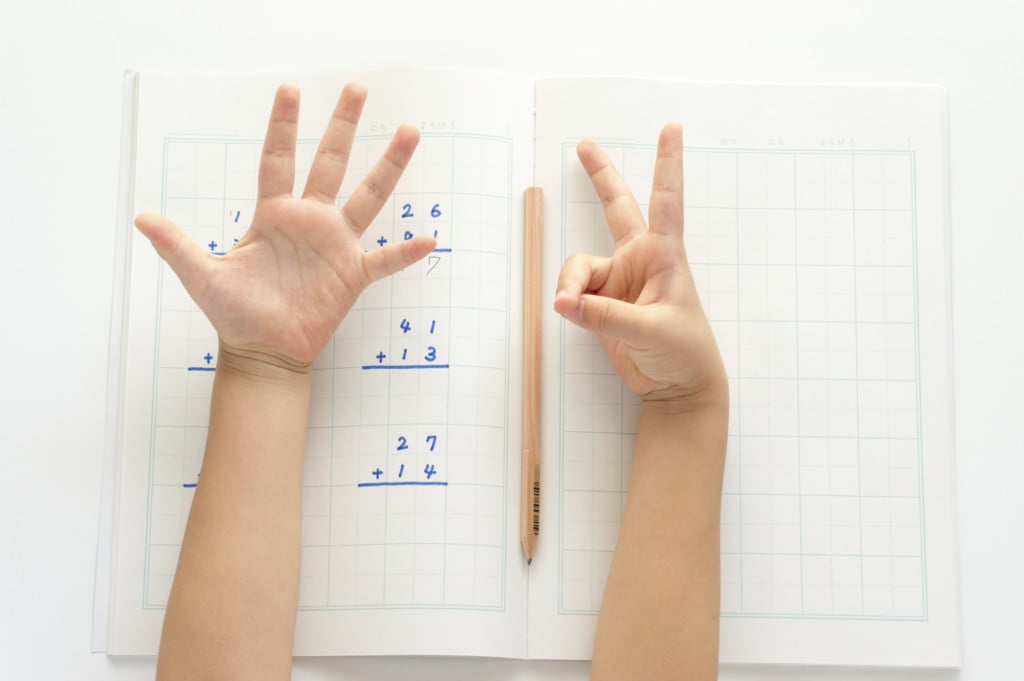
If your child is struggling in school, you probably know it by now. And you may be wondering if he or she has a learning disability. It’s important to remember that children with learning disabilities are as smart as or smarter than their peers – they just learn differently. A learning disability can’t be cured, but with the right intervention and support, children with learning disabilities can succeed in school and lead successful, often distinguished careers. Walt Disney, General George Patton and Albert Einstein all had learning disabilities.
It’s also important to remember that learning disabilities are not the same as other disabilities such as mental retardation, autism, deafness, blindness, and behavioral disorders. None of these conditions are learning disabilities.
Common Signs of Learning Disabilities
The following checklist includes common signs of learning disabilities. All children exhibit one or more of these behaviors from time to time throughout their childhood. A consistent showing of a group of these behaviors should be considered an indication to seek advice, observation or assessment.
Does your child have trouble with:
Spoken or Written Language
- Learning new vocabulary
- Following directions
- Understanding requests
- Responding to questions
- Understanding concepts
Attention and Concentration
- Completing a task
- Acting before thinking
- Restlessness
- Daydreaming
- Distractibility
Memory
- Remembering directions
- Learning math facts
- Learning new procedures
- Spelling
- Studying for tests
Organization
- Managing time
- Completing assignments
- Organizing thoughts
- Locating belongings
- Carrying out a plan
Social Behavior
- Making and keeping friends
- Impulsive behavior
- Frustration tolerance
- Accepting changes in routine
- Interpreting nonverbal clues
Physical Coordination
- Manipulating small objects
- Learning self-help skills
- Handwriting
- Climbing and running
- Mastering sports
Talking to Your Child’s Teacher
Parents often find themselves at school for parent-teacher conferences around this time of year. For many families, this is the first opportunity to sit down one-on-one with their child’s teacher to talk about school progress.
If you feel your child might have a learning disability, discuss the checklist with his or her teacher. Or discuss your own observations with your child’s teacher – and get his or her feedback and impressions.
- Discuss your child’s reading level and ask if he is reading at an appropriate pace.
- If your child is struggling with homework, be sure to discuss that and ask if he is struggling in the classroom as well.
- Explain how your child learns best, what may distract him and specific measures that might help in the classroom that you’ve experienced at home.
- Inquire about classroom rules and discipline and discuss how your child may respond and behave. Explain that your child may learn differently than the other children in the classroom – for example, he may not follow oral instruction, so written may be better.
- Discuss others at school who may interact with your child – tutors, coaches, after-school club leaders – and how best to communicate special strategies with them, if you and your child’s teacher determine that that is necessary.
- Encourage open communication throughout the school year and keep these conversations going throughout the school year, not just once or twice during parent-teacher conferences.
- Use the tools that are available to you – email, web-based communication, the telephone and, of course, face-to-face conversations.
For more information on learning disabilities, please visit tandcschool.org.